
Phanera retusa
Phanera retusa
Description
Growing requirements
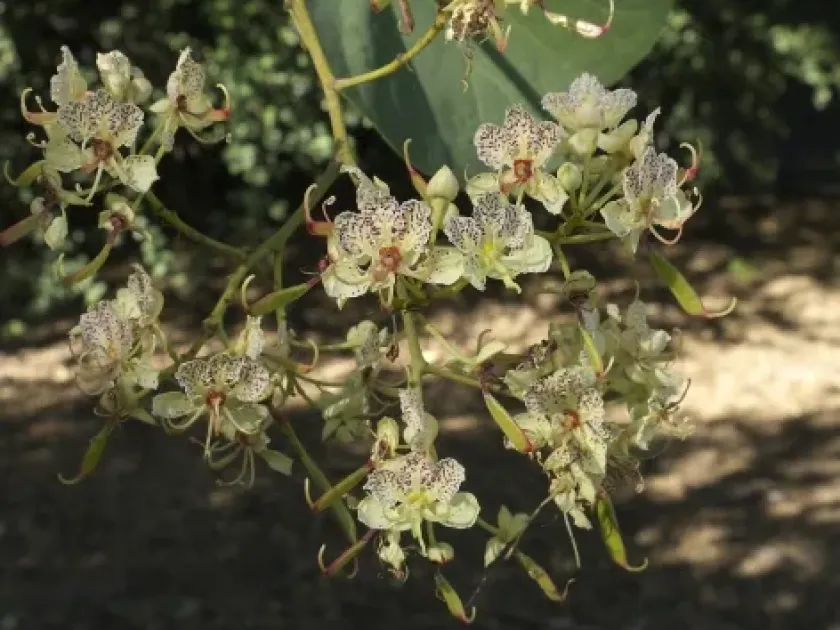
Phanera retusa, widely recognized in botany as Bauhinia retusa, is a deciduous tree belonging to the Fabaceae family. It is distinguished by its unique notched leaves and is commonly found in the sub-Himalayan regions, reaching heights suitable for both agroforestry and commercial cultivation.
The plant originates from the tropical and subtropical zones of South and Southeast Asia. It thrives in regions characterized by a distinct monsoon climate, demonstrating an impressive ability to survive long dry spells while remaining productive during the vegetative season.
In terms of edaphic requirements, the tree is remarkably adaptable. It prefers deep, well-drained loamy soils but can establish itself on degraded terrains. For successful cultivation, it is essential to ensure that the site is well-lit, as the species is highly intolerant of shade, which directly impacts its biomass production.
Agrotechnical management primarily involves initial nursery care and periodic weeding in the early stages of growth. While the tree is drought-resistant once matured, supplementary irrigation during the first two years is recommended to promote rapid root establishment and trunk development.
The economic value of this tree is largely derived from the production of Bauhinia gum, which is harvested for industrial applications. Furthermore, its leaves are utilized in traditional agro-pastoral systems, and the timber is valued for its durability and moderate strength in rural construction.
Main diseases and pests
The primary threats to the health of these trees involve fungal pathogens that affect the foliage in high-humidity environments. Leaf-spot diseases are common and can reduce the overall photosynthetic capacity of the canopy if not managed through proper canopy spacing and ventilation.
Insect pests, particularly leaf-eating caterpillars and certain boring beetles, can cause localized damage. Integrated pest management strategies, focusing on early detection and the removal of severely affected branches, are the most effective methods for maintaining a healthy and productive plantation.