
Phanera audax
Phanera audax
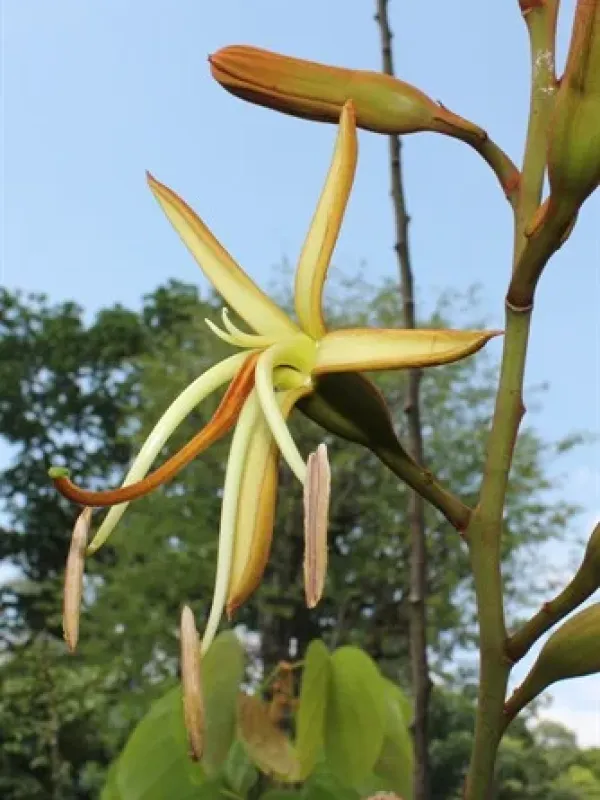
Description
Sowing dates
Phanera audax is a member of the Fabaceae family, native to tropical regions where it thrives in specific warm and humid microclimates.
Sowing should be carried out using high-quality seeds that have been pre-treated with scarification to improve germination rates significantly.
The seeds are planted in a loose, well-draining substrate at a depth of approximately 2-3 cm, maintaining a temperature of at least 24 degrees Celsius.
In a controlled environment, germination typically occurs within two to three weeks, provided that the soil moisture is kept at a constant level.
Seedlings require careful handling during the transplanting phase to avoid damaging the sensitive taproot, which is vital for the plant's future growth.
Growing requirements
The plant requires bright, filtered light to develop its characteristic foliage and maintain strong structural integrity in its stems.
Soil requirements involve a rich, slightly acidic to neutral medium with excellent drainage to prevent root asphyxiation during heavy watering.
Regular fertilization with micronutrients is highly recommended to support the rapid growth of this species during its peak vegetative stage.
Watering frequency should be adjusted according to the season, with a significant reduction during the winter dormancy period to prevent rot.
High relative humidity is essential, so the use of misting systems is advisable in environments where the ambient air becomes too dry.
Main diseases and pests
The plant is susceptible to common pests such as spider mites and scale insects, which can cause significant damage to the leaf surface.
Fungal pathogens like rust and leaf spot can develop if the foliage remains wet for extended periods without adequate air movement.
Effective pest management involves integrated control strategies, including mechanical removal of insects and the application of suitable horticultural oils.
Root rot is a major threat caused by over-irrigation or heavy, compacted soil, necessitating strict adherence to drainage practices.
Early diagnosis of symptoms is crucial for the successful survival of Phanera audax, particularly when dealing with rapidly spreading bacterial infections.