
Phanera scandens
Phanera scandens
Description
Growing requirements
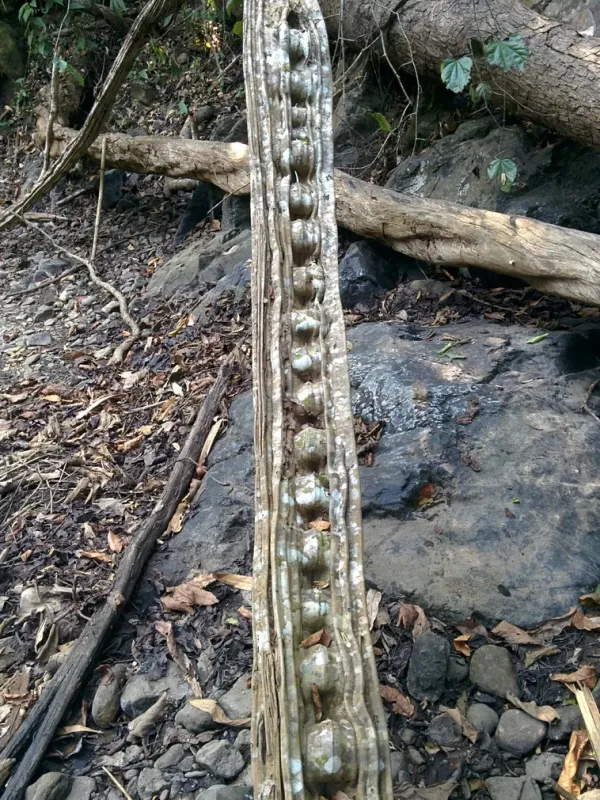
Phanera scandens is a woody climbing vine belonging to the Fabaceae family. Native to the tropical forests of Southeast Asia, it is recognized for its vigorous growth habit and specialized tendrils that facilitate its ascent through the forest canopy.
The plant thrives in warm, humid climates with ample access to sunlight. Successful cultivation requires deep, well-drained soil rich in organic matter, as it is highly sensitive to waterlogging, which can rapidly lead to root decay and overall plant failure.
Regarding agrotechnical requirements, the provision of sturdy trellising is mandatory. Given its natural climbing nature, the vine requires structural support to prevent entanglement and to optimize the leaf surface area exposed to photosynthetic light.
Optimal growth occurs at temperatures ranging between 22 and 30 degrees Celsius. Consistent moisture levels are essential, particularly during the active growing season, although the plant needs a distinct period of reduced watering if environmental conditions mimic a dry season.
In terms of agricultural use, Phanera scandens is primarily utilized in landscaping and conservatory management for its aesthetic appeal. Furthermore, it remains a subject of research regarding its bioactive compounds and potential applications in herbal medicine.
Main diseases and pests
Fungal pathogens represent the most significant threat to Phanera scandens, particularly in environments with poor air circulation. Overwatering or high humidity levels can predispose the vine to powdery mildew and various leaf spot diseases.
Insect pests, including spider mites and whiteflies, are frequent threats to this species. These pests cluster on the underside of the leaves, causing chlorosis and weakening the plant's overall structural integrity over successive growth cycles.
Root-knot nematodes can also affect the plant if grown in contaminated soil. Preventive measures such as soil sterilization or the use of clean potting substrates are essential for nursery production to ensure healthy root development.
Integrated pest management (IPM) strategies, including biological control agents and localized chemical treatments, are recommended for maintaining health. Regular pruning to remove dead or diseased foliage is a standard practice for maintaining canopy hygiene.
Monitoring for signs of nutritional deficiencies or pest outbreaks should be a weekly routine. Maintaining proper nutrient ratios, particularly avoiding excessive nitrogen, helps to keep the foliage tough and less susceptible to opportunistic pathogens and insects.