
Petteria
Petteria
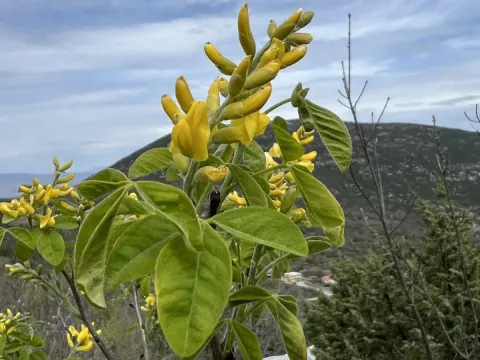
Petteria (Petteria ramentacea) is a monotypic genus of flowering plants belonging to the family Fabaceae. This deciduous shrub is closely related to the laburnum and broom species, typically reaching a height of 1.5 to 2 meters under favorable conditions.
What the section contains

Petteria
The plant is native to the Balkan Peninsula, naturally occurring on rocky outcrops and limestone slopes. It has evolved to thrive in nutrient-poor soils, demonstrating high resilience to the harsh environmental conditions characteristic of its mountain habitat.
For successful cultivation, Petteria requires full sun exposure and warm growing conditions. It is essential to ensure well-drained soil, preferably with a neutral or slightly alkaline pH, to prevent root damage and promote vigorous growth during the spring season.
Botanically, the plant is recognized by its trifoliate leaves and bright yellow, fragrant flowers arranged in dense racemes. The flowering period is a highlight for the shrub, providing significant visual interest during the early growing season.
The primary use of Petteria is in ornamental landscaping, particularly for stabilizing slopes or creating decorative shrub borders. Additionally, it serves as a valuable early-season honey plant, supporting local pollinator populations and apiary productivity.
The most significant threat to Petteria is soil waterlogging, which often leads to root rot diseases. Site selection must prioritize drainage to ensure the health of the root system throughout the year.
Common pests include aphids and various leaf-chewing insects that may attack young foliage. Routine monitoring is recommended to apply integrated pest management strategies if population thresholds are exceeded during the vegetative phase.