
Phanera semibifida
Phanera semibifida
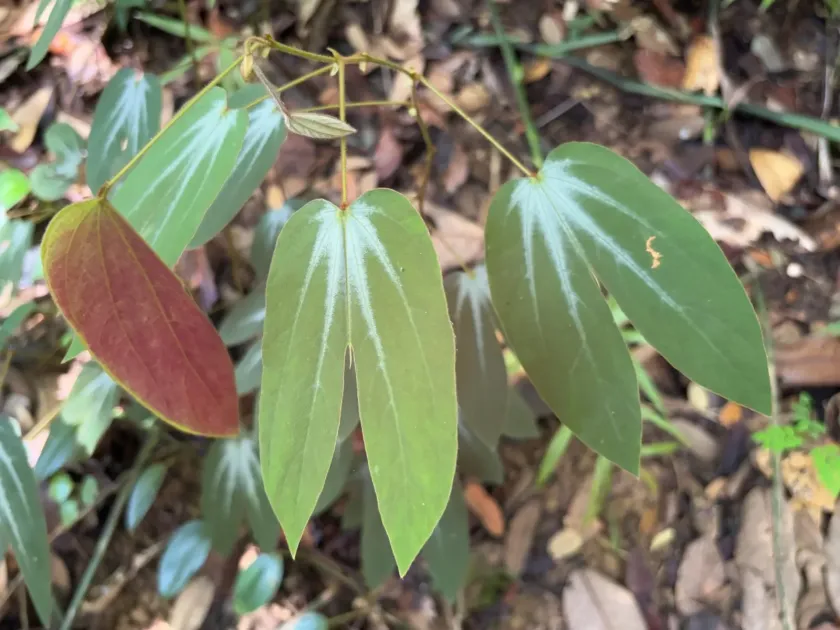
Description
Growing requirements
Phanera semibifida, formerly categorized under the genus Bauhinia, is a distinct member of the Fabaceae (legume) family. Native to the tropical environments of Southeast Asia, this species exhibits growth habits ranging from woody climbers to small trees.
Successful cultivation of this species requires a strictly tropical climate with consistent temperatures. The plant thrives in well-draining, fertile soils that are maintained at a slightly acidic to neutral pH level for optimal nutrient availability.
The species has high requirements for solar radiation, preferring full sun exposure to maintain vigorous growth. However, it can adapt to partial shade during the initial stages of seedling development to protect against excessive desiccation.
Effective management includes consistent irrigation to maintain soil moisture without leading to waterlogging. Pruning is essential for both commercial production and structural maintenance to encourage better air circulation and light penetration.
The plant is highly valued for its phytochemical content, which is used in traditional medicine and modern pharmacological research. Sustainable harvesting practices are encouraged to ensure the longevity of the plant populations.
Main diseases and pests
Fungal pathogens remain the primary concern for this crop, particularly in high-humidity zones. Ensuring proper spacing between plants is a fundamental strategy for reducing the prevalence of leaf spot and powdery mildew diseases.
Insect pests, including various species of aphids and leaf-feeding larvae, can significantly reduce foliage quality. Integrated pest management strategies, utilizing beneficial predatory insects, are preferred over synthetic chemical applications.
Root rot caused by stagnant water is a frequent issue in poorly managed fields. Improving drainage infrastructure is the most effective preventative measure against soil-borne pathogens and root-related stress.
Root-knot nematodes can also pose a threat to plant vigor by damaging the root system and reducing nutrient uptake efficiency. Implementing crop rotation with non-host species is advised to break the pest lifecycle.
Regular sanitation, including the removal of dead or decaying plant material, helps suppress the buildup of pathogen inoculum in the field. Careful monitoring during the rainy season is critical for crop health.