
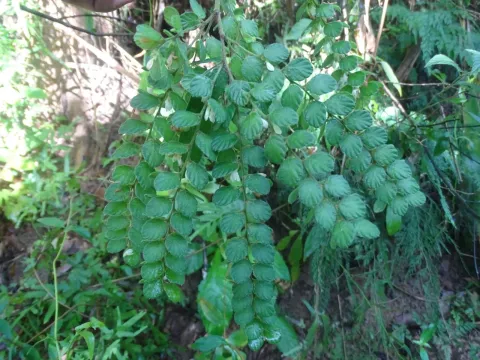
Phyllodium
Phyllodium
Phyllodium belongs to the family Fabaceae, comprising several species that serve as significant forage plants in tropical and subtropical regions.
What the section contains


Phyllodium
Sowing should be performed during the onset of the rainy season to ensure that seeds have adequate moisture for germination and initial root development.
Fields should be prepared through deep tillage to remove existing weeds, as young seedlings can be sensitive to competition for nutrients and light.
Seeds are generally sown in rows, with spacing optimized to ensure sufficient density for ground coverage while maintaining adequate airflow between plants.
Seed treatment, such as scarification, is recommended for some species to overcome the physical dormancy of the seed coat and improve emergence rates.
This crop thrives in well-drained soils, preferring environments with adequate aeration rather than waterlogged conditions which may induce root rot.
Phyllodium requires a consistent supply of sunlight and will show significantly reduced growth if planted under a dense tree canopy or in shaded areas.
Temperature is a critical factor; the plant is highly sensitive to frost and thrives in warm, humid climates characteristic of its natural habitat.
While the plant shows some tolerance for periodic drought, supplemental irrigation during extreme dry spells can significantly increase biomass production.
Soil nutrient status should be managed with phosphorus and potassium fertilization, which enhances the nitrogen-fixing capacity of the roots.
The yield potential of Phyllodium is largely determined by the management of the cutting schedule and the underlying soil fertility levels.
When grown under optimal conditions, the crop produces multiple cuts throughout the growing season, contributing to high annual yields of forage.
Nutritional analysis shows that harvesting before the peak seed-set phase ensures the highest protein content for livestock consumption.
Yield stability is maintained by allowing the plants to recover after each cut, ensuring sufficient energy reserves remain in the crown and roots.
Integrating this crop into existing pasture systems can improve the overall nutritive value of available grazing resources throughout the year.
Fungal pathogens represent the most common threat to Phyllodium, particularly during periods of high humidity and stagnant air within the canopy.
Leaf-eating insects can cause significant damage to young plants, potentially requiring integrated pest management strategies to keep populations low.
Nematode infestations can impair root systems, leading to nutrient deficiencies and reduced vigor in older, established stands of the plant.
Weed management during the first few weeks of growth is essential, as the crop is initially slow-growing and easily outcompeted by aggressive grasses.
Proper field hygiene, including the removal of infected residues, is an effective practice to reduce the incidence of soil-borne diseases.
Harvesting for hay or silage should take place during the early flowering stage to maximize the feed quality before the stalks become too fibrous.
Mechanical mowers should be set to a height that preserves the basal growth points, enabling the plant to regrow rapidly after harvesting.
If producing hay, the harvested material should be spread thinly to ensure rapid moisture loss, preventing nutrient leaching or mold formation.
Careful handling of the crop during the collection process is necessary to retain leaves, which are the most nutrient-dense part of the plant.
Storage facilities for the harvested fodder must be kept dry and well-ventilated to maintain quality and extend the shelf life of the forage.