
Phanera kockiana
Phanera kockiana
Description
Growing requirements
Phanera kockiana, widely recognized in older botanical literature as a member of the Bauhinia genus, is a vigorous woody vine belonging to the Fabaceae family. Native to the lush tropical rainforests of Southeast Asia, this climbing plant is celebrated for its exceptional ornamental value in warm climates.
The culture thrives in tropical environmental conditions characterized by high humidity and consistently warm temperatures. It is highly susceptible to chilling injury and cannot survive in frost-prone regions, making greenhouse or conservatory cultivation essential for northern climates.
Optimal growth requires a well-draining, nutrient-rich soil medium with a slightly acidic to neutral pH profile. Consistent moisture is vital for the health of the plant, yet it is imperative to avoid waterlogged conditions, which can lead to rapid degradation of the root system.
The agricultural management of this vine involves providing robust support structures, such as trellises or sturdy poles, as the plant uses its tendrils to climb vertically. Regular maintenance, including strategic pruning, helps manage its extensive growth and promotes a more profuse flowering display.
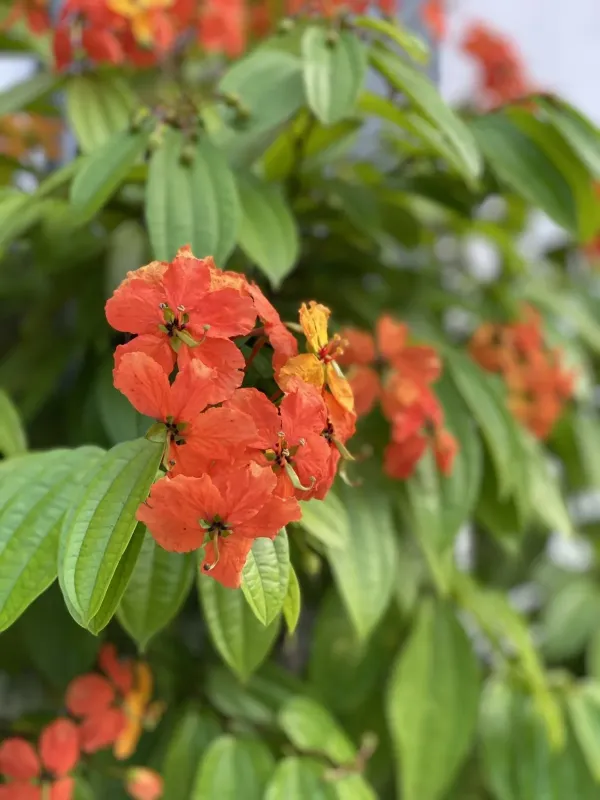
Economically and aesthetically, Phanera kockiana is primarily utilized in landscape architecture to provide vertical interest. Its striking, dense racemes of vivid orange-red flowers make it a focal point in botanical gardens and private tropical collections.
Main diseases and pests
Cultivation of this species often faces challenges from common tropical pests, including spider mites and mealybugs. These organisms can quickly multiply in indoor environments, necessitating frequent monitoring and the application of appropriate horticultural soaps or systemic pesticides.
Fungal pathogens represent another significant risk, particularly those affecting the roots and foliage due to excess humidity or poor ventilation. Implementing a strict irrigation schedule and ensuring sufficient airflow around the foliage are fundamental practices for preventing disease outbreaks.