
Phanera integrifolia
Phanera integrifolia
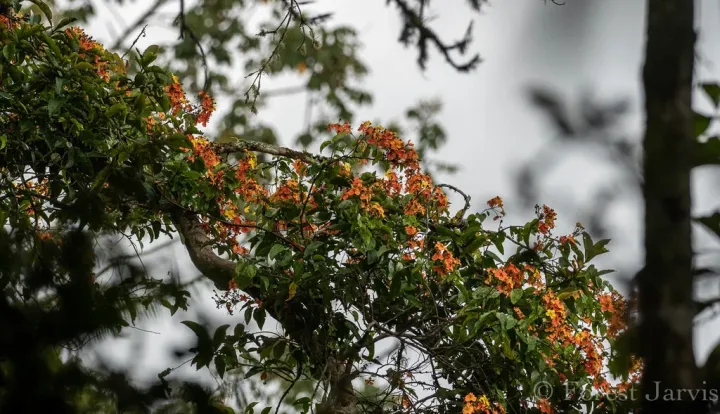
Description
Growing requirements
Phanera integrifolia is a vigorous woody vine belonging to the Fabaceae family, subfamily Caesalpinioideae. Native to the tropical forests of Southeast Asia, it is well-adapted to humid, warm environments where it can climb toward the forest canopy.
The plant requires high humidity and consistent temperatures, ideally between 22°C and 30°C. It is intolerant of frost, making it suitable for tropical climates or strictly controlled greenhouse conditions in temperate zones.
Soil requirements focus on well-draining, nutrient-rich substrates. A mix of peat, perlite, and organic compost is generally recommended to provide the necessary structure for roots while maintaining adequate moisture levels.
Light management is crucial; Phanera integrifolia thrives in bright, indirect light. Prolonged exposure to intense, direct tropical sun can damage the foliage, while insufficient light leads to spindly growth and poor flowering.
The botanical structure of the vine includes specialized leaves adapted for efficiency, often exhibiting a heart-shaped or entire margin. Growth is typically fast-paced, necessitating strong structural supports like trellises or arbors for vertical development.
Main diseases and pests
Like many tropical vines, this plant is susceptible to common pests such as spider mites and scale insects. These pests feed on sap, which can significantly stunt the growth of young plants if not managed promptly.
Fungal issues, particularly root rot, are the most significant threats during periods of poor drainage. Implementing a rigorous irrigation schedule that allows the top layer of soil to dry slightly is a vital prophylactic measure.
Powdery mildew can infect leaves in environments with poor air circulation. Improving ventilation and maintaining appropriate spacing between individual plants can help mitigate the risk of such fungal outbreaks.
Nutritional deficiencies often mimic disease symptoms. Specifically, iron chlorosis may occur if the soil pH is too high, preventing the plant from absorbing necessary minerals for chlorophyll production.
Virus transmission via aphids or other insects is a concern in diverse agricultural settings. Integrated pest management (IPM) practices should be employed to monitor population levels and ensure plant health is maintained throughout the season.