
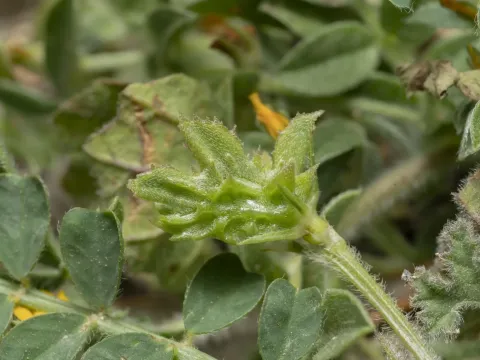
Onobrychis squarrosa
Onobrychis squarrosa
Onobrychis squarrosa is a perennial legume typically sown in early spring when soil temperatures reach 5–8 degrees Celsius. Early planting is crucial for the seedlings to establish a deep root system before the summer heat.
What the section contains
Onobrychis squarrosa
In regions with sufficient moisture, undersowing this crop with cereal grains is a common practice. This method ensures efficient land use while protecting the young legume sprouts.
Seeding rates depend on the method of sowing and the quality of the seeds. Row spacing of 15–20 cm is generally recommended to ensure even distribution and uniform plant development.
The planting depth is vital, usually ranging from 2–3 cm in heavy soils to 4–5 cm in lighter, sandy soils. Proper seed-to-soil contact is mandatory for germination success.
After seeding, rolling the soil surface is highly recommended. This practice creates the necessary compaction for moisture retention and prevents the drying of the upper soil layer.
This crop is exceptionally drought-tolerant, making it well-suited for arid and semi-arid climates. It exhibits high winter hardiness, allowing it to survive significant temperature drops.
The plant thrives on well-drained, porous soils. It prefers neutral or slightly alkaline soil pH and tends to perform poorly on acidic or waterlogged land, which leads to root decay.
Lime application is necessary if the soil is acidic, as this crop requires favorable conditions for its symbiotic nitrogen-fixing bacteria. Proper soil pH is key to high productivity.
Being a sun-loving plant, Onobrychis squarrosa requires high solar radiation. Shaded areas significantly inhibit its growth and reduce the biomass accumulation throughout the season.
As a legume, it improves soil structure and fertility. It serves as an excellent rotation crop, leaving the soil enriched with nitrogen and organic matter for subsequent crops.
Productivity reaches its peak during the second and third years after establishment. During this time, the plant builds a robust root network that supports high vegetative growth.
The average forage yield ranges from 150 to 300 centners per hectare. Under favorable conditions with supplemental irrigation, the yield potential increases substantially.
Hay produced from this crop is highly nutritious, being rich in protein and carotene. It is a preferred feed for livestock due to its palatability and ease of digestion.
Seed yield varies between 5 and 10 centners per hectare. The presence of honeybees and other pollinators is essential for maximizing seed set and overall grain production.
Balanced fertilization with phosphorus and potassium is required to maintain long-term crop vitality. Nitrogen applications are typically unnecessary due to natural fixation.
Powdery mildew is the most common fungal disease, typically occurring during hot and humid spells. Managing humidity and using resistant varieties are the primary control strategies.
Root rot can become a major threat if the soil is poorly drained or compacted. Such conditions weaken the plant's natural defenses and lead to stand thinning over time.
The seed weevil is a significant pest for seed production plots. Integrated pest management, including crop rotation and proper isolation, helps reduce the population of these insects.
Weevils can also damage young leaves during the early vegetative stage. If populations reach an economic threshold, approved insecticides should be applied to protect the stand.
Nematode infestations can severely stunt root growth, making the plants more susceptible to drought stress. Maintaining proper distance from other legumes helps mitigate this risk.
For high-quality forage, the crop should be harvested at the early flowering stage. This timing ensures the best balance between biomass quantity and nutritional density.
Seed harvesting should be timed carefully when the majority of pods turn brown. Delaying harvest leads to seed shattering and significant yield losses in the field.
Mowers with conditioning rollers are recommended to speed up the drying process. Rapid moisture removal is essential to maintain the quality of the hay.
Direct combining is generally used for seed harvesting in dry weather. If the stand is uneven, a two-stage harvesting process involving swathing can be employed.
Post-harvest processing involves cleaning seeds and drying them to a moisture content of 13–14%. Proper storage in ventilated conditions prevents heating and mold development.