
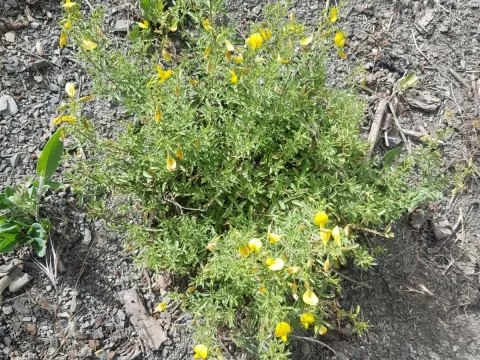
Ononis angustissima
Ononis angustissima
Ononis angustissima is a perennial herbaceous plant belonging to the Fabaceae family. Propagation is primarily done through seeds, which require proper stratification to break dormancy and ensure uniform germination across the field.
What the section contains
Ononis angustissima
The optimal sowing time is early spring, once soil temperatures reach at least 10-12 degrees Celsius. Maintaining consistent soil moisture during the germination phase is critical for the establishment of this slow-growing species.
Row cropping is the standard practice for industrial production, with spacing set between 45 and 60 centimeters. This layout allows for efficient weed management and provides sufficient aeration for the developing root systems.
Seeds should be planted at a shallow depth of 2–3 centimeters. Proper depth control is essential to ensure that seedlings have enough energy to emerge vigorously without succumbing to soil-borne pathogens during the initial stages.
Thinning is recommended shortly after emergence to maintain a plant distance of 20–25 centimeters within the row, which prevents nutrient competition and encourages stronger, healthier growth throughout the season.
This species is highly photophilous and requires full sun exposure to thrive and maximize the synthesis of secondary metabolites in its root system. Sites with shading should be strictly avoided.
Ononis angustissima adapts well to various soil types but prefers light sandy or loamy soils with good drainage. Poor drainage can quickly lead to root rot, which is the most significant limiting factor in its cultivation.
It is exceptionally drought-tolerant once established, owing to its deep taproot system. This makes it a viable candidate for sustainable farming in regions that experience moderate summer water deficits.
The soil pH should ideally be neutral to slightly alkaline. The plant does not require high levels of nitrogen fertilization due to its ability to fix atmospheric nitrogen in symbiosis with rhizobia.
Inter-row cultivation is vital for maintaining soil structure and managing weed pressure. By preventing soil crusting, growers ensure that oxygen can effectively reach the roots, supporting optimal plant development.
The primary harvestable part of Ononis angustissima is the root, which is typically collected in the second or third year of growth. At this stage, the plant has accumulated a peak concentration of active therapeutic compounds.
Expected yields for dried roots range from 1 to 2 tonnes per hectare under optimal conditions. Yield is significantly influenced by the intensity of care during the first year, including weed control and spacing.
The roots are highly valued in the pharmaceutical industry for their medicinal properties, including diuretic and anti-inflammatory uses. There is a consistent market demand for high-quality botanical raw materials.
Harvesting during the autumn months ensures that the active ingredients are most concentrated in the subterranean organs, resulting in a higher quality product compared to earlier harvesting times.
Longevity of the crop is a key economic advantage, as well-managed plantations can provide multiple harvests without the need for frequent re-seeding, optimizing long-term production costs.
Root rot caused by stagnant water is the primary disease concern. Prevention relies on selecting well-draining soils and avoiding over-irrigation during the wet seasons of the growth cycle.
Legume pests, such as pea leaf weevils, can damage foliage and interfere with photosynthesis. Integrated pest management strategies, including the use of trap crops and biological agents, are effective.
Aphids may infest young plants during early summer, potentially weakening the plant and increasing susceptibility to secondary infections. Early detection and intervention are essential for maintaining crop health.
Powdery mildew can occur in humid, poorly ventilated conditions. Managing plant density and ensuring good field hygiene are the best cultural methods to prevent the spread of fungal spores.
Weed control is critical not just for resource competition but because many weeds act as alternative hosts for various pathogens and pests that target leguminous species.
The harvest takes place in late autumn when the above-ground biomass begins to senesce. This timing ensures that the nutrient translocation to the roots is complete, maximizing the quality of the raw material.
Mechanical harvesting using specialized root lifters or plows is recommended. The equipment must be set to the appropriate depth to ensure total extraction of the root mass while avoiding unnecessary damage.
Post-harvest cleaning must be swift. Washing the roots in clean, running water is mandatory to remove adhering soil particles and debris that could negatively impact the quality profile of the pharmaceutical product.
Drying should be performed at controlled temperatures not exceeding 40–45 degrees Celsius. Excessive heat causes the evaporation of essential oils and the degradation of sensitive compounds within the root tissue.
Proper storage in ventilated containers, protected from direct sunlight and humidity, is necessary to maintain the shelf life and potency of the roots for the intended industrial application.