
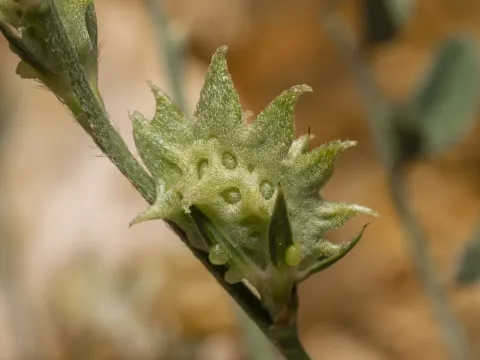
Onobrychis aequidentata
Onobrychis aequidentata
Onobrychis aequidentata is an annual leguminous plant that is typically sown in early spring. The optimal time for planting is when soil temperatures reach 5–8 degrees Celsius, ensuring favorable conditions for germination and early seedling growth.
What the section contains
Onobrychis aequidentata
Seeds are usually planted at a depth of 2 to 4 centimeters. Precise depth control is essential, as deeper planting may significantly delay emergence and weaken the seedlings. Proper seed-to-soil contact, achieved through light rolling, is a standard practice to boost moisture uptake.
Standard sowing methods involve row planting with an inter-row spacing of approximately 15 centimeters. This layout allows for adequate sunlight exposure and facilitates weed management, which is vital during the plant's early developmental stages.
Crop rotation is crucial; planting after winter cereals or row crops often yields the best results. A clean seedbed is important to minimize competition from weeds, as the young plants are relatively slow to establish their foliage.
Seed density should be calculated based on local soil fertility and moisture availability. In arid regions, lower seeding rates are often preferred to prevent excessive moisture consumption by the crop and reduce stress during dry spells.
This species is highly drought-tolerant, making it an excellent choice for steppe and semi-arid regions. It thrives in sunny environments and remains productive even during periods of high temperature and limited rainfall.
Soil requirements for Onobrychis aequidentata favor well-drained, carbonate-rich, or sandy-loam textures. Stagnant water is detrimental, often leading to root decay, so selecting sites with good drainage is a key management strategy.
Being a legume, the plant develops a symbiotic relationship with nitrogen-fixing bacteria, reducing the need for intensive nitrogen fertilization. However, supplying adequate phosphorus and potassium during primary soil preparation is necessary for healthy development.
The plant prefers neutral to slightly alkaline soil conditions. High soil acidity can hinder the beneficial microbial activity in the root zone, significantly reducing both biomass production and the plant's natural nitrogen-fixing efficiency.
Adequate soil aeration is essential for the root system. Avoiding soil compaction through careful management of field operations helps maintain the structural integrity and health of the crop throughout its vegetative period.
Yield capacity depends heavily on the specific growing conditions, though this species is known for reliable production in its niche. Under favorable conditions, it can generate significant quantities of green biomass per hectare.
Green forage yields typically range from 15 to 25 tons per hectare, depending on moisture levels and soil nutrient management. When harvested as hay, the crop provides high-quality, protein-rich animal feed.
Seed production is another vital aspect, with yields typically ranging between 0.5 and 1.2 tons per hectare. Ensuring the crop reaches full maturity before harvest is necessary to secure high-quality seeds for subsequent seasons.
Productivity is closely linked to the timing of harvest; the stage of early flowering is critical for obtaining the best nutritional profile. Delaying the harvest can lead to increased fiber content, reducing the feed value for livestock.
Implementing targeted fertilization and basic protection measures against pests can significantly optimize total biomass yields. The plant is valued for its contribution to soil health, often acting as a bridge crop to restore fertility.
Common pests affecting this crop include various species of weevils that damage the root system and foliage. Integrated pest management, including chemical control when necessary, helps minimize the impact of these insects.
Seed-feeding insects can be problematic for seed production plots. Effective prevention involves spatial isolation and ensuring that harvest occurs before heavy pest populations can establish themselves within the pods.
Fungal diseases, such as powdery mildew, may emerge in humid or poorly ventilated conditions. Managing field density to improve airflow is a simple yet effective preventative measure against these infections.
Root rot is typically caused by excess moisture or poor drainage in the field. Careful site selection is the primary defense, as this issue is difficult to manage once the crop is established.
The use of treated, high-quality seeds helps reduce the risk of early-season soil-borne pathogens. Rotating crops regularly is the most sustainable approach to keeping pest and disease populations at manageable levels.
Harvesting for green fodder should occur at the early flowering stage to capture the highest protein content. Mowing techniques must ensure a clean cut without damaging the crown of the plant, allowing for better survival.
When producing hay, rapid wilting is key to preserving the nutrient-rich leaves. Equipment such as mower-conditioners is ideal for speeding up the drying process and preventing nutrient loss due to prolonged field exposure.
For seed collection, the crop is harvested when approximately 70–80% of the pods show signs of maturity. This timing prevents excessive shattering while ensuring high seed viability for future use.
Separated harvesting methods—where the crop is cut, left to dry in windrows, and then threshed—are common to ensure uniform maturity. This method also minimizes mechanical damage to the seeds during the threshing process.
Post-harvest handling involves thorough cleaning and drying to reach standard moisture levels for long-term storage. Storing seeds in cool, dry conditions is essential to maintain high germination rates over time.