
Olneya
Olneya
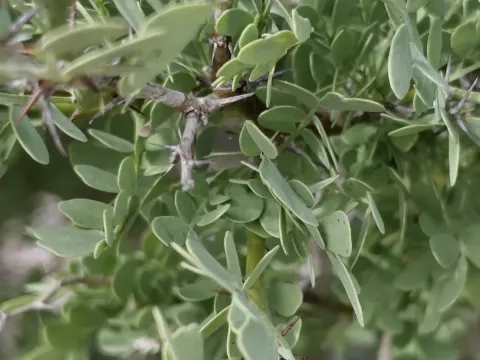
Olneya tesota, commonly known as desert ironwood, is a monotypic genus within the legume family (Fabaceae). It is a long-lived, slow-growing, evergreen tree that has become an iconic symbol of the Sonoran Desert in North America.
What the section contains

Olneya
The plant thrives in arid desert conditions, preferring alluvial fans, sandy washes, and rocky slopes where water collects intermittently. Its deep root system allows the tree to tap into subsurface moisture, ensuring survival in extreme heat.
Growth requirements for the ironwood tree include intense solar radiation and high temperatures. It is an obligate sun-loving species; insufficient light exposure during the seedling stage can significantly hinder its development and lead to poor health.
Soil quality must ensure excellent drainage as the plant is highly susceptible to root rot if water stagnates. It prefers coarse-textured, mineral-rich soils that are typical of desert environments, where it can establish its complex underground network.
The tree serves as a vital nurse plant for desert ecosystems. By providing shade and enriching the soil with nitrogen through symbiotic bacteria, it creates a hospitable microclimate that supports the survival of numerous other desert flora and fauna.
Historically, the economic value of Olneya tesota is centered on its incredibly dense, heavy wood. It is so heavy that it sinks in water, making it a rare material for high-quality woodcraft, sculptures, and small decorative items.
The seeds of the ironwood tree are a valuable food resource. Indigenous peoples have long harvested and consumed these seeds by roasting them, which improves their flavor and digestibility while providing a rich source of plant-based protein.
While not a standard agricultural crop, the tree is increasingly used in xeric landscaping. It is valued for its evergreen, silvery-green canopy and its spectacular display of light purple or pinkish flowers during the spring bloom.
Sustainable harvesting of fallen wood is practiced in some regions, providing artisans with raw materials without harming living trees. This supports cottage industries while preserving the ecological structure of the desert landscape.
Ecological yield is arguably the most important aspect of this plant. As an nitrogen-fixing species, it maintains soil health, preventing degradation and supporting the overall vitality of the desert region's agricultural and native plant life.
The main threats to the survival of the ironwood tree are habitat loss due to land development and illegal wood harvesting. Because the trees grow so slowly, they cannot quickly replace themselves if they are destroyed by human interference.
While mature trees are highly resistant to pests and diseases, seedlings are prone to issues in nursery settings. Powdery mildew can occur if air circulation is poor, which is often a result of over-crowding or excessive ambient humidity.
Insect pests, such as various species of seed weevils, pose a constant threat to seed production. This biological pressure is natural but can be problematic for conservation efforts aiming to replant areas affected by desertification.
Climatic extremes, specifically unprecedented drought periods, are challenging the recruitment of new generations of trees. In the wild, younger trees need favorable rainfall cycles to survive their first decade, which are becoming less predictable.
Protection strategies for the species include protecting mature stands and ensuring that nurseries follow strict moisture control protocols. Avoiding physical damage to the trunk is also essential to prevent the entry of wood-boring insects and decay fungi.