
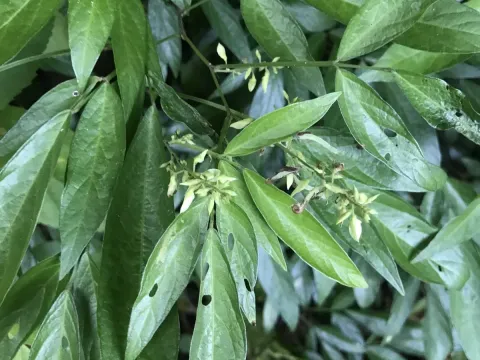
Ohwia
Ohwia
Ohwia is a genus of plants belonging to the legume family (Fabaceae), typically grown in warm climates where the growing season is sufficiently long for full development.
What the section contains

Ohwia
The sowing process begins when soil temperatures consistently reach 15 degrees Celsius, ensuring that the seeds have the thermal energy required for rapid germination.
Proper seedbed preparation is crucial; the soil should be finely tilled and leveled to ensure consistent seeding depth, which usually ranges between 2 and 3 centimeters.
In field production, mechanical drills are used to plant seeds in rows with spacing of 20 to 40 centimeters, allowing adequate room for plant expansion.
Scarification of seeds before planting is a recommended practice to break dormancy and ensure a uniform emergence of seedlings across the entire field.
The plant thrives in well-drained, fertile soils with a neutral or slightly acidic pH, which optimizes the availability of essential macro and micronutrients.
Sunlight is an essential requirement for Ohwia, as it promotes robust vegetative growth and enhances the plant's ability to fix atmospheric nitrogen via root nodules.
While the plant shows resilience to moderate drought once established, consistent moisture is necessary during the early stages of growth to prevent crop failure.
Soil structure should be favorable for deep root development, and heavy clay soils should be avoided or amended to prevent waterlogging during wet periods.
Strategic fertilization with phosphorus and potassium can significantly boost the overall vigor of the crop, especially in soils that have been depleted by previous seasons.
The biomass yield of Ohwia is significantly influenced by the management practices applied during the primary growing stages, including irrigation and weed control.
Under favorable environmental conditions, the crop produces a substantial quantity of high-protein forage that is highly valued for livestock nutrition programs.
Peak biomass production usually occurs in the second and third years of the plant's life cycle, once the root system has fully established and accessed deeper soil layers.
To maintain sustainable yield levels over several years, it is important to allow the plants sufficient recovery time between consecutive harvests.
Yield stability is generally high, provided that the soil fertility is maintained and that the plant population density is managed to prevent resource competition.
The main threats to Ohwia include fungal pathogens that affect the root system, often exacerbated by high humidity levels and poor soil drainage conditions.
Insect pests, particularly those targeting leaves and tender shoots, can cause significant damage, leading to reduced photosynthetic rates and slower biomass accumulation.
Integrated pest management strategies are essential, focusing on crop rotation cycles that break the lifecycle of specific plant pathogens and insect populations.
Regular field scouting is recommended to detect any signs of infestation or disease early, allowing for timely and localized interventions when strictly necessary.
Maintaining high field hygiene, including the removal of infected crop residues after harvest, can effectively lower the pressure from common agricultural diseases.
Harvesting for forage is most efficient when the plants are in the early flowering stage, as this is when the nutritional density per unit of dry matter is maximized.
Drying procedures must be carefully controlled to prevent leaf loss and to maintain the quality of the proteins during the transition from green biomass to dried hay.
For silage production, chopping the material to a consistent length and ensuring tight compaction in the silo are vital for promoting beneficial fermentation processes.
Seed harvest requires precision, as the pods are prone to shattering if left in the field too long, leading to significant post-maturity seed losses.
Post-harvest storage should involve cool, dry conditions to maintain seed viability and prevent the growth of molds that could compromise the quality of the harvested product.