
Nissolia
Nissolia
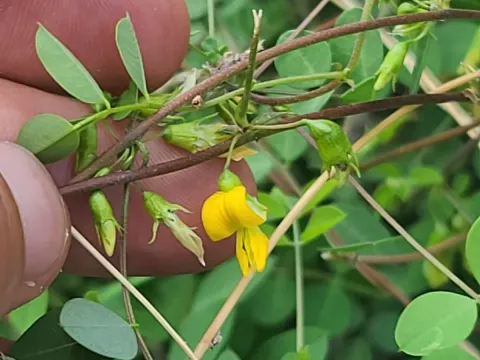
Nissolia is a genus of flowering plants belonging to the legume family, Fabaceae. These plants are primarily native to the tropical and subtropical regions of the Americas, thriving in diverse habitats ranging from open woodlands to shrubby landscapes.
What the section contains
Nissolia
Successful sowing of Nissolia requires precise timing relative to local seasonal patterns. In tropical environments, planting is typically synchronized with the onset of the rainy season, ensuring adequate soil moisture for the germination process.
Seeds of Nissolia possess a hard coat, which is a common characteristic among many Fabaceae species. Mechanical or chemical scarification can be beneficial to ensure uniform germination, as this process allows water to penetrate the seed embryo more effectively.
The optimal planting depth is generally shallow, around 2 to 3 centimeters, into a well-prepared seedbed. Maintaining consistent moisture levels during the first weeks is critical for the establishment of a robust root system and early vegetative growth.
Planting density should be managed to ensure adequate airflow between individual plants. Proper spacing reduces the risk of fungal proliferation and ensures that each plant receives sufficient solar radiation for optimal metabolic activity.
The soil requirements for Nissolia include a well-drained medium with a neutral to slightly acidic pH. As a legume, the plant benefits from soils that allow for good aeration, as oxygen is essential for the function of symbiotic nitrogen-fixing bacteria.
Sunlight is a primary limiting factor for Nissolia. The plant is highly heliophilic and requires full exposure to sunlight to reach its maximum productivity. Shaded environments result in etiolated growth and poor reproductive success.
Temperature regimes play a vital role in the developmental stages of Nissolia. It is a thermophilic plant that requires consistently warm temperatures; it is highly susceptible to frost, which can cause total plant death in extreme conditions.
Nutrient management focuses on phosphorus and potassium, which are essential for pod development and overall plant vigor. While these plants fix atmospheric nitrogen, supplemental fertilizers may be necessary in soils with poor natural fertility.
Water management must be carefully calibrated to avoid waterlogging. While the plant needs moisture for germination and active growth, it is intolerant of standing water, which can trigger root rot and other anaerobic conditions.
Nissolia is susceptible to a range of pests that typically affect legumes, including aphids, leaf miners, and beetles. These insects can cause significant damage to the foliage, reducing the plant's capacity for photosynthesis.
Fungal diseases represent a major threat, particularly in conditions of high humidity and poor ventilation. Fusarium wilt and various forms of leaf spots are common pathogens that can be mitigated through strict crop rotation practices.
Integrated pest management (IPM) strategies are recommended to maintain plant health. This includes the use of biological control agents and, when necessary, targeted application of environmentally safe pesticides to prevent outbreaks.
Proper field hygiene is essential to prevent the buildup of soil-borne pathogens. Removing debris and ensuring that infected plants are eradicated quickly helps maintain the health of the entire crop population.
Regular scouting of the field is necessary to catch infestations early. Monitoring for symptoms such as yellowing leaves or stunted growth allows for timely intervention before the disease or pest population reaches an economic threshold.