
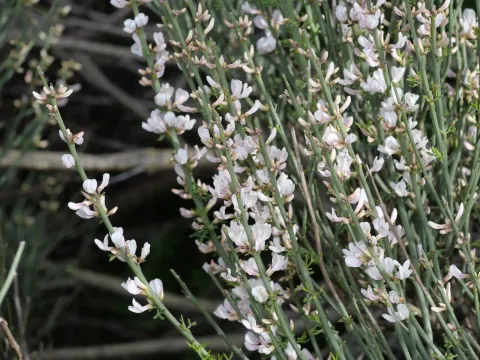
Mount Teide broom
Cytisus supranubius
Mount Teide broom (Cytisus supranubius) belongs to the Fabaceae family and is a shrub endemic to the high-altitude volcanic landscapes of the Canary Islands, specifically on Tenerife.
What the section contains
Mount Teide broom
The plant has evolved to survive in a harsh subalpine environment, characterized by extreme diurnal temperature fluctuations and high UV exposure.
For successful cultivation, it requires well-draining, loose, and slightly acidic or neutral soils that mimic its native volcanic substrate.
It is an obligate sun-loving species that demands full sun exposure to maintain its compact growth form and abundant flowering cycle.
Environmental management involves ensuring excellent airflow, as the species is highly susceptible to humidity-related stress and fungal diseases in poorly ventilated areas.
The primary agricultural value of this crop is its role as an essential nectar source for mountain beekeeping, producing a unique, high-quality honey.
Its flowering season is a critical period for local pollinators, which capitalize on the high sugar concentration of its blossoms.
In landscape architecture, the plant is valued for its hardiness in dry, rocky terrain, where it provides aesthetic interest through its profuse spring bloom.
Harvesting strategies are mostly focused on seed production, which requires careful timing to ensure maturity while preventing premature pod dehiscence.
Although not a conventional field crop, its role in ecological restoration of high-altitude habitats is highly recognized by environmental agencies.
Root rot caused by stagnant water and overly dense soil compaction is the most significant physiological threat to the health of the broom shrub.
Fungal infections, such as powdery mildew, often occur when humidity levels exceed the plant's tolerance threshold in a greenhouse or restricted outdoor setting.
Aphid infestations present a periodic challenge during the growth season, potentially damaging delicate new shoots and reducing overall flowering performance.
Integrated pest management should be prioritized to maintain the shrub's health without disrupting the beneficial insect populations that frequent the flowers.
Proper sanitation practices, including the removal of deadwood and infected branches, are vital for maintaining the long-term vitality of the plantation.