
Moullava
Moullava
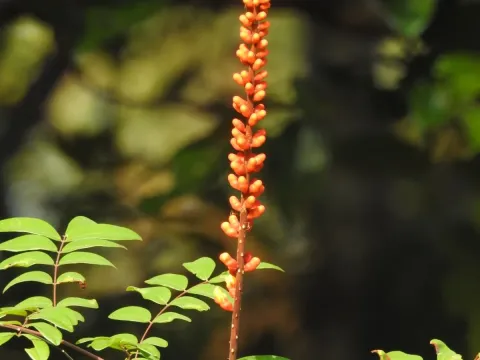
Moullava is a genus of woody lianas belonging to the legume family, Fabaceae. This perennial plant grows in its natural habitat as a sprawling shrub or a robust vine, capable of climbing to significant heights using support structures.
What the section contains


Moullava
Geographically, the plant originates from tropical regions of South Asia, specifically India and Sri Lanka. In the wild, it thrives in humid forests and coastal areas where the climate remains warm with consistent rainfall throughout the year.
The crop requires well-drained, fertile loamy soils with a neutral to slightly acidic pH level. A critical factor for successful cultivation is the presence of a sturdy vertical structure, as the plant relies on climbing to maximize its growth potential.
Moullava demands high levels of sunlight for optimal flowering and seed pod development, although young plants can tolerate partial shade. It is highly sensitive to frost, making cultivation possible only in tropical and subtropical climatic zones.
In terms of economic use, Moullava is valued for the bioactive compounds found in its tissues. Historically, it has been utilized in traditional medicine and local handicrafts, owing to the secondary metabolites typical of this Caesalpinioid legume.
Like many members of the Fabaceae family, Moullava can be susceptible to specific tropical pests. The most common threats include leaf-eating insects and various aphid species that target young shoots and developing buds.
Fungal diseases occurring in high humidity and poor ventilation conditions pose a serious risk to the health of the plant. Root rot is a common issue caused by water stagnation, making proper soil moisture management essential for the grower.
Pests such as spider mites can infest the plant during dry periods, causing premature leaf drop. Regular monitoring of the foliage and implementing preventive measures are necessary to maintain plant vitality.
Using environmentally friendly, plant-based insecticides is often the preferred method of protection. Avoiding excessive soil moisture is crucial, as it creates an environment favorable for the proliferation of various soil-borne pathogens.
Sanitary pruning is a recommended practice to ensure the health of the vine. By removing dead or damaged plant matter, the air circulation within the canopy is improved, which significantly reduces the risk of spreading infections.