
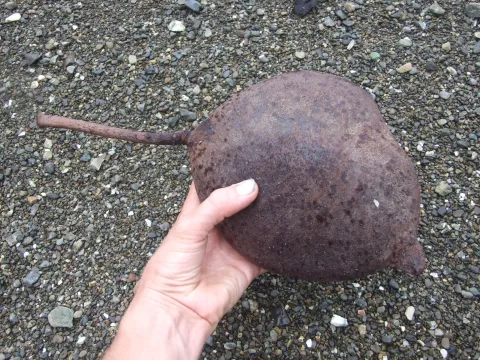
Mora oleifera
Mora oleifera
Mora oleifera is a large evergreen tree belonging to the Fabaceae family, native to the swampy coastal regions of Central and South America. It is uniquely adapted to thrive in wetland environments, including mangroves.
What the section contains
Mora oleifera
The plant demands a consistently humid tropical climate with high annual rainfall and stable temperatures. It is highly sensitive to cold stress and requires protection from extreme weather fluctuations to maintain growth.
Soil requirements for Mora oleifera involve deep, organic-rich substrates that can withstand periodic flooding. The tree possesses a robust root system capable of anchoring itself in soft, silt-heavy soils common in river basins.
Botanical development is characterized by slow initial growth followed by the formation of a dense canopy. The tree produces large leguminous pods that contain seeds rich in valuable vegetable oils.
The agricultural potential of this crop is tied to its ability to produce oil in ecological zones that are generally unsuitable for traditional oilseed crops. It represents a niche but promising resource for sustainable forestry.
Yield capacity in Mora oleifera is determined by the tree's maturity and the hydrological stability of its growing site. While individual tree yields can be significant, uniform production across a plantation requires careful management.
The seeds are the primary harvest target, as they contain a high percentage of oil. This oil is characterized by specific fatty acid profiles that make it useful for both culinary applications and industrial bio-lubricants.
Harvesting strategies must focus on timing, as the pods reach maturity at different intervals depending on seasonal patterns. Proper handling after collection is essential to prevent seed degradation due to fungal growth.
Productivity metrics are still being established through agroforestry trials. Future scaling depends on selecting high-yielding genotypes that can perform reliably under managed plantation conditions.
Efficient processing of the oil, including extraction and refining, is necessary to transform the raw harvest into a commercially viable product for global markets.
Pest pressure is a primary concern for Mora oleifera, particularly from specialized seed-boring insects. These pests can significantly reduce seed quality if left unmanaged during the pod maturation phase.
Fungal pathogens represent another significant risk, especially in low-lying areas with poor air circulation. High humidity levels can lead to outbreaks of stem and root rots if soil drainage is compromised.
Weed management during the early establishment phase is critical. Without proper maintenance of the surrounding area, saplings may be suppressed by faster-growing invasive vegetation.
Environmental stability is the most significant external threat. Changes in the local water table or salinity levels in coastal areas can severely impair the health and reproductive capacity of the stands.
Integrated pest management (IPM) practices, focusing on biological controls and minimal synthetic inputs, are recommended to maintain the long-term sustainability of Mora oleifera orchards.