
Moullava digyna
Moullava digyna
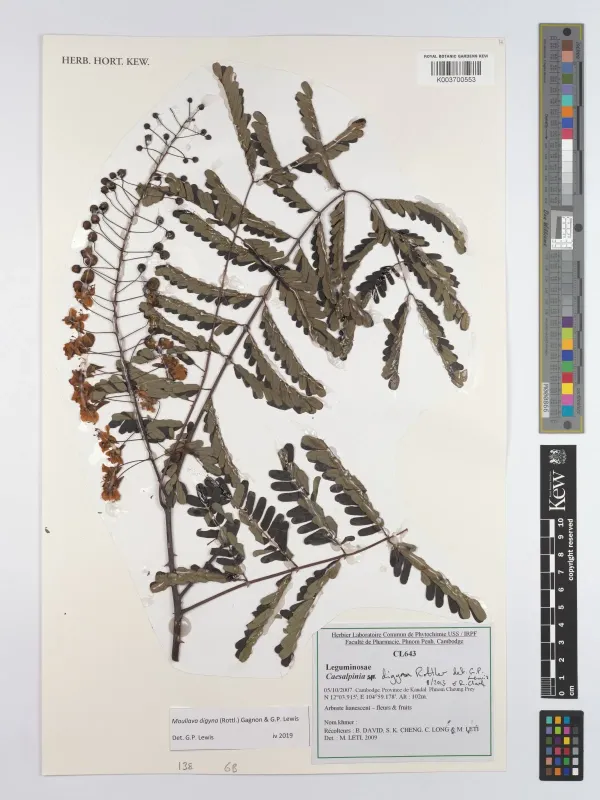
Description
Growing requirements
Moullava digyna is a perennial climbing shrub belonging to the Leguminosae (Fabaceae) family. Native to tropical regions of South and Southeast Asia, this plant features robust stems often equipped with prickles, and distinctive bipinnate foliage.
The plant thrives in humid tropical climates characterized by consistent warm temperatures. Ideally, it requires a thermal range between 22 and 30 degrees Celsius throughout the year to maintain active vegetative growth.
Regarding soil preferences, Moullava digyna prefers well-drained loams or light sandy soils that are rich in organic matter. While it is relatively adaptable to various soil types, ensuring proper drainage is critical to prevent root suffocation during monsoon seasons.
Sufficient sunlight is essential for optimal development, although the plant can withstand partial shade, especially in its early stages of growth or in areas with extreme solar intensity. It often relies on neighboring vegetation for structural support.
Agrotechnical management focuses on weed control during the establishment phase. As a legume, it has the capacity for biological nitrogen fixation, which helps maintain soil fertility and reduces the need for synthetic nitrogen fertilizer applications.
Yield
The primary economic focus of Moullava digyna cultivation is the production of botanical raw materials for the pharmaceutical and cosmetic industries. Different plant parts, including roots and leaves, are harvested for their therapeutic value.
Historically, the plant is renowned in traditional medicine for its anti-inflammatory, astringent, and antiseptic properties. Extracts are frequently utilized in preparations designed to treat dermatological issues and digestive system ailments.
Harvesting is typically conducted manually, with roots being collected from plants that are at least two to three years old to ensure a sufficient accumulation of phytochemicals. Leaves can be harvested periodically throughout the growing season.
As interest in natural and organic ingredients grows, the market potential for Moullava digyna has increased significantly, offering farmers in tropical regions a reliable source of income through niche crop production.
Yield stability is heavily dependent on irrigation management and plant density. With appropriate site selection and care, a plantation can provide consistent annual yields, supporting sustainable small-scale farming practices.
Main diseases and pests
The most significant threats to Moullava digyna include root rot and fungal infections, which are often triggered by waterlogged soil or poor drainage conditions. These diseases can compromise the root system's integrity if not managed early.
Common tropical pests, such as aphids, spider mites, and leaf-eating caterpillars, can impact plant vigor. Implementing biological control methods, such as the introduction of beneficial insects or the use of neem-based sprays, is highly recommended.
Sanitary pruning of affected or diseased branches is a vital practice for maintaining plantation health. Removing infected material prevents the rapid spread of pathogens across the growing area during humid conditions.
Environmental stress, including prolonged droughts or excessive rain, can predispose the plant to secondary infestations. Consistent monitoring of plant health, especially after heavy weather events, is essential for identifying potential issues.
To preserve the quality of the plant for medicinal use, the application of harsh chemical pesticides should be strictly avoided. Instead, producers should focus on preventive measures and integrated pest management strategies to ensure a clean product.