
Moullava spicata
Moullava spicata
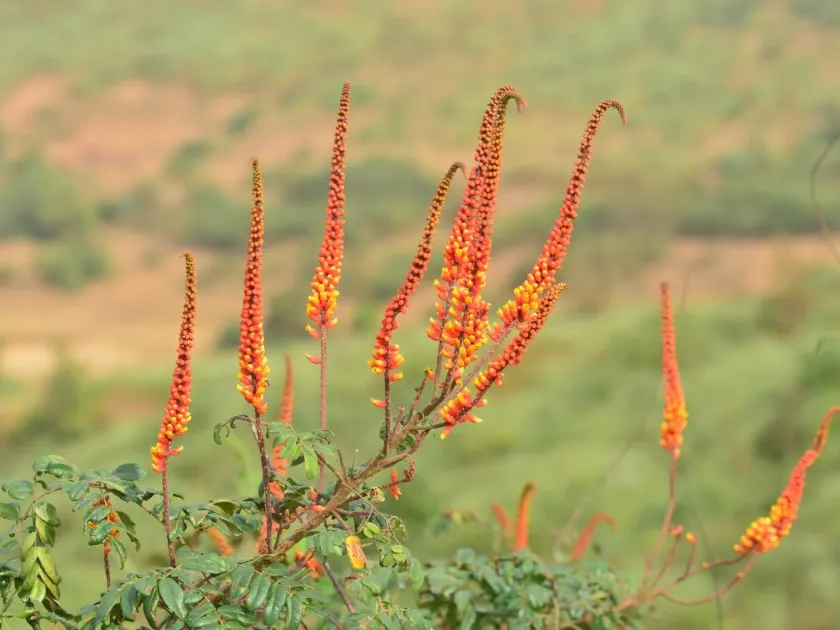
Description
Growing requirements
Moullava spicata is a perennial woody shrub or climber belonging to the Fabaceae family, native to the tropical forests of Southern and Southeastern India. This plant is well-adapted to the hot and humid conditions characteristic of tropical climate zones.
Botanically, the plant is known for its spiny stems and pinnate leaves, which provide a protective barrier in its natural habitat. Its distinct inflorescences, appearing as elongated spikes, are the defining feature of the species, supporting its role as a botanical curiosity and a functional legume.
The culture thrives in well-drained, fertile soils with a preference for slightly acidic to neutral pH levels. Due to its tropical origins, it requires year-round high temperatures and is strictly intolerant to frost or prolonged cold weather, which limits its range.
For optimal growth, Moullava spicata requires full sunlight to partial shade, depending on the age of the specimen and moisture availability. It plays a significant ecological role by improving soil fertility through nitrogen fixation, a common benefit among legumes.
In agricultural contexts, it is utilized for its potential in medicinal formulations and as part of sustainable land management practices. Growers must prioritize maintaining consistent soil moisture levels while ensuring excellent drainage to prevent root hypoxia.
Main diseases and pests
Fungal diseases are the primary threat, particularly in regions with high humidity, leading to root rot and leaf spot. Managing soil structure to prevent waterlogging is essential for maintaining the health of the plant population.
Insect pests, including aphids and various species of caterpillars, frequently attack the tender shoots and floral buds. Integrated pest management strategies are often implemented to mitigate the impact of these infestations without disrupting the local ecosystem.
Root-knot nematodes represent a hidden threat that can significantly stunt the growth of the plant by disrupting its nutrient uptake. Soil solarization or the use of organic amendments is often practiced to manage nematode populations before planting.
Weed competition during the establishment phase is a critical issue that can suppress the growth of young shrubs. Regular weeding and mulching are necessary to ensure the plant successfully competes for essential soil nutrients and light.
Environmental stress, such as extreme heat spikes or sudden fluctuations in soil moisture, can lead to physiological disorders. Proper agronomic care, including balanced irrigation and occasional pruning, helps build plant resilience against these external threats.