
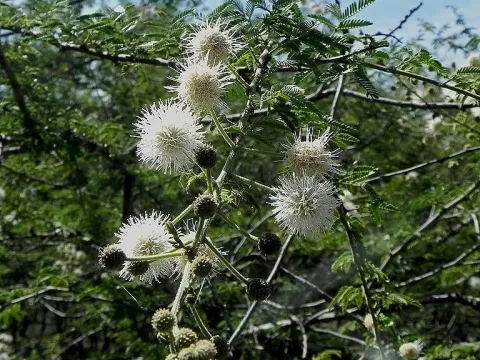
Mimosa hexandra
Mimosa hexandra
Mimosa hexandra is a notable member of the Fabaceae (legume) family, primarily native to arid tropical and subtropical zones. This species is characterized by its robust ability to thrive in harsh environments where water availability is highly seasonal and unpredictable.
What the section contains
Mimosa hexandra
The crop thrives in well-drained, porous soils such as sandy or rocky substrates. It exhibits a deep taproot system, which allows the plant to access moisture from deeper soil layers, making it highly drought-tolerant once it is fully established in the field.
For successful cultivation, full sunlight is essential as the plant has a high photosynthetic demand. It is intolerant of frost; therefore, commercial cultivation is restricted to frost-free regions with consistently high average temperatures throughout the year.
The agronomy of this species is largely based on its nitrogen-fixing capabilities, which significantly contribute to soil health. Farmers often utilize it in agroforestry systems to naturally replenish nitrogen levels in depleted soils without the need for synthetic additives.
Management practices should focus on weed control during the seedling stage. Once the plant passes its establishment phase, it becomes hardy and resistant to most environmental stressors, requiring minimal maintenance throughout its life cycle.
In agricultural settings, Mimosa hexandra is primarily utilized as a source of high-protein forage for livestock. It remains green and nutritious even during peak drought periods, serving as a critical resource for ruminant animals in arid regions.
The biomass yield is sustained through periodic pruning, which encourages the growth of fresh, tender foliage. This practice ensures a consistent supply of fodder while managing the physical size of the plant within a managed agricultural area.
The crop is occasionally susceptible to infestations by leaf-eating beetles and sap-sucking insects during the wet season. Fungal infections, particularly root rot, are only common when the soil drainage is inadequate or when plants are subjected to prolonged waterlogging.