
Mimosa ceratonia
Mimosa ceratonia
Description
Growing requirements
Mimosa ceratonia is a perennial plant species belonging to the Fabaceae (legume) family, native to the tropical regions of South America. It is characterized by its ability to thrive in warm, sunny environments, making it a distinctive part of tropical flora.
The plant performs best in well-drained, sandy-loam soils that prevent waterlogging. Good aeration of the substrate is essential for the development of its root system, which engages in symbiotic relationships with nitrogen-fixing bacteria to enrich the soil.
Regarding climate, Mimosa ceratonia is strictly adapted to tropical and subtropical conditions. It cannot survive frost or prolonged exposure to cold temperatures, requiring consistent warmth and high levels of atmospheric humidity to maintain healthy growth.
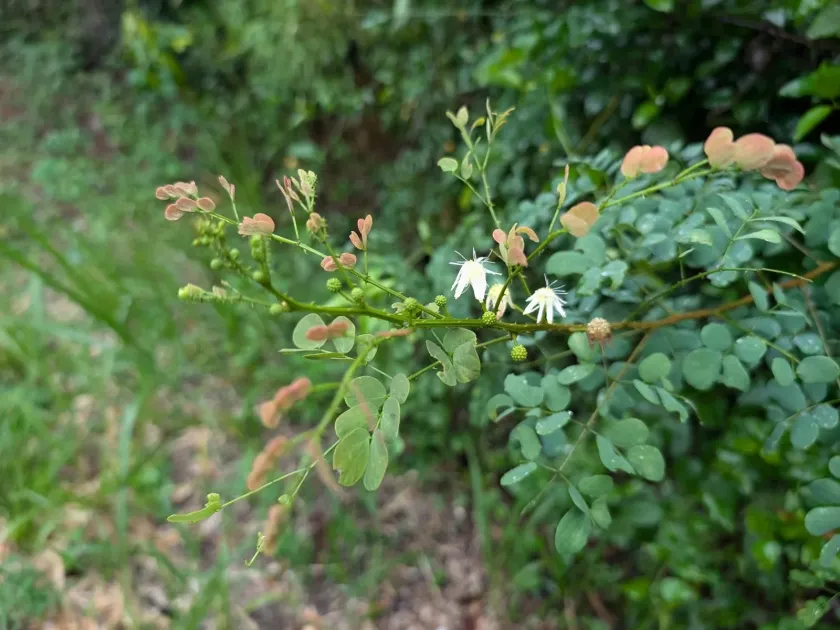
Botanically, this plant displays pinnate leaves and small, head-like inflorescences typical of the genus Mimosa. It often exhibits thigmonasty, which is the movement of leaves in response to mechanical stimulation, a unique physiological feature of the species.
From an agricultural standpoint, the plant is primarily used for ecological restoration and soil improvement. Its nitrogen-fixing capabilities make it an excellent choice for green manure programs in tropical agricultural systems to boost crop productivity.
Main diseases and pests
Common pathological threats include fungal infections such as root rot, which are often triggered by over-irrigation or poor soil drainage. Additionally, powdery mildew can occur if the humidity levels are consistently high with poor airflow around the foliage.
Pests that typically affect the plant include sap-sucking insects like aphids and spider mites. These pests tend to target younger plants, necessitating careful observation and the implementation of cultural control methods to maintain plant health throughout the season.