
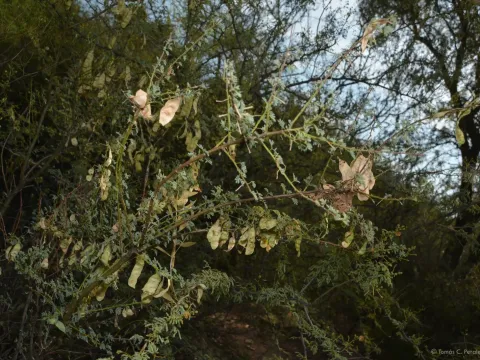
Mimosa detinens
Mimosa detinens
Mimosa detinens is a woody shrub species belonging to the legume family (Fabaceae). Native to the South American continent, it is primarily found in the savanna-like environments of Brazil, contributing significantly to local biodiversity.
What the section contains
Mimosa detinens
The plant is known for its remarkable hardiness and ability to thrive in poor, nutrient-deficient soils. It is well-adapted to high solar radiation levels, which are typical for its natural habitat in the tropical regions.
Optimal growth conditions include well-drained soil substrates where moisture accumulation is minimal. The plant is considered highly drought-tolerant, making it an excellent candidate for semi-arid landscape stabilization.
A key biological advantage of Mimosa detinens is its capability for nitrogen fixation. By forming symbiotic relationships with soil bacteria, the plant enhances nitrogen levels in the soil, promoting ecological restoration.
Regarding climate requirements, the species flourishes in environments characterized by stable, warm temperatures. It lacks frost tolerance, thus restricting its cultivation to tropical and subtropical climate zones.
The primary threats to Mimosa detinens include infestations by specific coleopteran insects that feed on plant tissues. These pests can significantly reduce the photosynthetic capacity of the foliage if left unchecked.
During prolonged rainy seasons, high humidity levels can trigger the development of various fungal pathogens. Maintaining adequate air circulation around the plants is essential for mitigating these risks.
The competition from fast-growing weeds can jeopardize the survival of younger plants, especially during the first two years of establishment. Systematic weeding programs are recommended for healthy crop development.
Overgrazing by livestock represents another major threat, as animals often consume the young, tender leaves of the shrub. Implementing fencing or rotational grazing strategies can effectively protect the plants.
Integrated pest management (IPM) practices are highly recommended to ensure the longevity of the shrubs. Monitoring for early signs of leaf damage or unusual stem discoloration is crucial for successful agricultural management.