
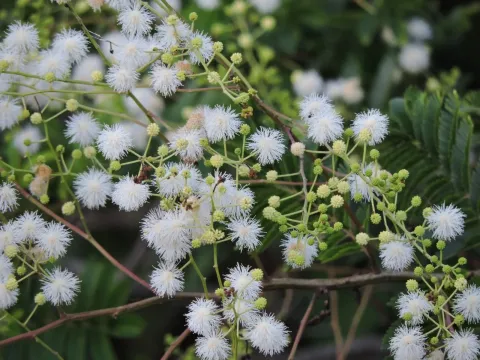
Mimosa bimucronata
Mimosa bimucronata
Mimosa bimucronata seeds have a hard seed coat, which necessitates pre-sowing scarification to ensure uniform germination and successful crop establishment in field conditions.
What the section contains
Mimosa bimucronata
Sowing is typically performed at the onset of the rainy season, allowing the developing seedlings to benefit from adequate soil moisture during the crucial initial growth stages.
In large-scale projects, seeds can be sown directly in prepared rows, while intensive reforestation programs often utilize nursery-grown seedlings planted at specific intervals.
The spacing is managed to balance rapid canopy closure, which helps suppress weed growth, with the need for individual plants to have sufficient access to light and nutrients.
Regular monitoring of seedbeds is essential to ensure that environmental conditions remain optimal, preventing early mortality caused by damping-off or environmental stress.
This species belongs to the Fabaceae family and is highly valued for its ability to fix nitrogen in the soil, effectively promoting biological soil improvement.
Mimosa bimucronata thrives in full sun exposure and requires sites with excellent light penetration to maintain a high rate of photosynthesis and rapid biomass accumulation.
While the plant is hardy and adaptable to various soil types, well-drained soils are preferred to avoid waterlogging, which can inhibit root development and promote fungal pathogens.
The climate requirements include warm to tropical temperatures; the species performs best in regions where temperatures remain consistently above frost levels for the majority of the year.
The plant shows high tolerance to degraded and nutrient-poor soils, making it an excellent candidate for land reclamation projects aimed at restoring ecological stability.
The primary economic output of this crop is its wood, which is highly appreciated for the production of high-quality charcoal and fuel wood due to its density and burning properties.
Fast growth cycles allow for frequent harvesting, ensuring a steady supply of biomass that can be used in pulp production, construction timber, or as a source of energy.
The crop also serves as a significant honey plant, supporting local apiaries by providing nectar during its extensive flowering period, which benefits the surrounding ecosystem.
Organic matter derived from leaf litter contributes significantly to soil health, acting as a natural mulch that retains moisture and recycles essential nutrients back into the ecosystem.
When integrated into agroforestry systems, the crop provides secondary benefits by shading other plants and preventing soil erosion on hilly landscapes, enhancing overall field productivity.
Fungal diseases, particularly those affecting the root and lower trunk, pose a significant threat in areas with poor drainage and high humidity levels during the wet season.
Leaf-eating insects and stem borers can cause notable damage to young trees, reducing their growth potential and making them vulnerable to secondary environmental stresses.
Effective management strategies involve proactive pruning and clearing of dead or diseased biomass to prevent the spread of infections throughout the plantation site.
Integrated Pest Management (IPM) practices, such as encouraging natural predators and avoiding chemical pesticides, are recommended to maintain a healthy plantation environment.
- Root rot caused by waterlogging
- Defoliating caterpillars
- Stem borers impacting wood quality
- Rust fungi on foliage