
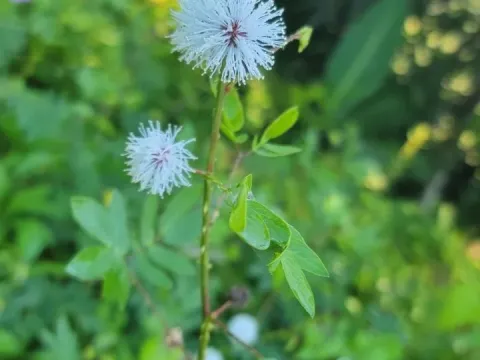
Mimosa casta
Mimosa casta
The sowing of Mimosa casta seeds is typically conducted in the spring, once soil temperatures reach a consistent range of 20 to 25 degrees Celsius.
What the section contains
Mimosa casta
Mechanical or chemical scarification of the seeds is a necessary step before sowing to break seed dormancy and ensure rapid and uniform germination.
Seeds should be planted at a shallow depth of 1 to 2 centimeters to provide sufficient protection while allowing seedlings to emerge quickly through the soil surface.
Optimal moisture levels must be maintained throughout the germination period, as the seedlings are sensitive to dehydration and fluctuating soil moisture.
In commercial nursery settings, utilizing specialized germination trays with nutrient-rich, well-aerated substrates helps in achieving high seedling vigor.
Mimosa casta, a member of the Fabaceae family, is a tropical perennial that thrives in warm, humid climates and is highly sensitive to cold temperatures.
The crop requires well-drained, fertile soil, as poor drainage is the primary cause of root failure and susceptibility to various soil-borne pathogens.
While the plant benefits from high light intensity, protection from intense, direct sunlight is crucial to prevent leaf scorching and desiccation of tissues.
Agronomic management involves maintaining consistent soil moisture, although irrigation systems must be calibrated to prevent waterlogged conditions.
As a legume, this species relies on healthy symbiotic relationships with soil bacteria, which underscores the importance of maintaining soil health and biological activity.
The most common pests affecting Mimosa casta include spider mites and mealybugs, which thrive in protected environments such as greenhouses.
Fungal infections, particularly powdery mildew and root rot caused by Phytophthora or Pythium, represent significant threats under poor ventilation.
Leaf spot diseases can manifest when environmental humidity levels are excessively high and air circulation remains stagnant for prolonged periods.
Integrated pest management strategies are recommended, focusing on maintaining optimal microclimates to minimize the reliance on synthetic chemical interventions.
Regular monitoring of the foliage and root zone is essential for the early detection and successful eradication of potential infestations or disease outbreaks.