
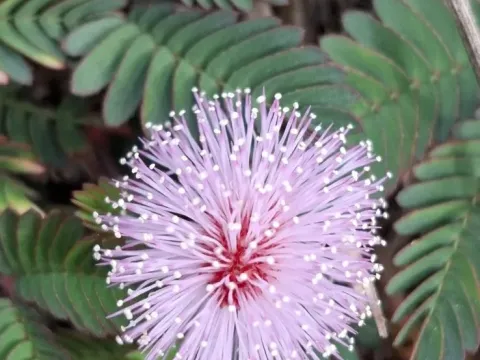
Mimosa
Mimosa
The cultivation of Mimosa, particularly Mimosa pudica, is primarily conducted in controlled environments or greenhouses due to its tropical origin. Seeds should be sown in late winter or early spring to ensure a long vegetative period.
What the section contains


Mimosa
Before sowing, it is recommended to scarify the seeds or soak them in warm water for several hours to facilitate germination. The growing medium must be loose, well-draining, and slightly acidic to provide the best environment for root development.
Seeds are sown at a depth of 0.5–1 cm and covered with a thin layer of soil. A plastic cover or glass is typically used to maintain high humidity and temperature, which are essential for successful seedling emergence.
Temperatures should be kept between +22°C and +25°C throughout the germination process. Once seedlings develop their first true leaves, they are transferred to individual pots, ensuring the roots remain undisturbed during the process.
Adequate spacing is crucial to prevent leggy growth and to ensure proper air circulation around each plant. As the plants mature, they can be gradually acclimated to wider environmental conditions if the climate allows for outdoor cultivation.
Mimosa is a member of the Fabaceae family and thrives in tropical climates characterized by consistent warmth. It is highly sensitive to cold, and temperatures falling below +15°C can cause severe physiological stress or death.
Light is a primary factor for healthy growth; the plant requires bright, indirect sunlight for most of the day. Exposure to harsh direct noon sun can scorch the delicate foliage, so greenhouse shading is often necessary.
High humidity levels (60–70%) are vital, as the plant is susceptible to dehydration in arid conditions. Regular misting or the use of humidifiers in greenhouse setups is recommended to maintain an optimal moisture balance.
Soil requirements include a nutrient-rich, well-draining mixture. A combination of peat, perlite, and loam is standard for commercial cultivation, ensuring the roots have access to oxygen while retaining sufficient moisture.
Fertilization should be managed carefully, using a balanced fertilizer during the growing season. Excessive nitrogen should be avoided to prevent weak stem growth, which can lead to structural problems as the plant matures.
Spider mites are the most common and damaging pests for Mimosa grown in enclosed spaces. They thrive in dry, warm environments and can quickly infest foliage, leading to yellowing and premature leaf senescence.
Aphids pose a significant threat to young shoots and flower buds, drawing out sap and weakening the plant. Integrated pest management, including biological controls or targeted insecticides, is recommended for efficient control.
Mealybugs can cluster in leaf axils, creating a waxy, white residue that protects them from contact insecticides. Manual removal combined with systemic treatment is often necessary to eradicate these persistent pests.
Root rot, caused by fungal pathogens such as Pythium or Phytophthora, occurs primarily in waterlogged soil. Symptoms include wilting and stem discoloration at the base, which often indicates that the damage is already severe.
Regular monitoring, sanitation of tools, and proper irrigation management are the pillars of a successful disease prevention strategy in Mimosa production, ensuring both plant health and high commercial quality.