
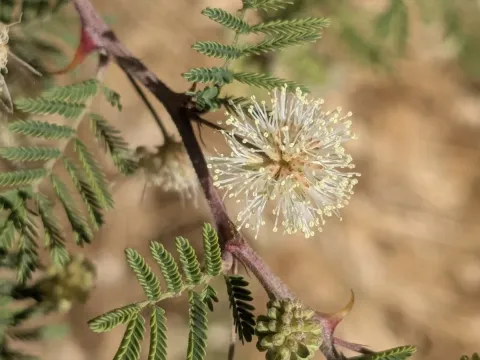
Mimosa aculeaticarpa
Mimosa aculeaticarpa
Sowing Mimosa aculeaticarpa is typically carried out in the spring once the soil temperature is sufficiently warm. It is essential to perform seed scarification before planting to break the seed coat dormancy and ensure uniform germination.
What the section contains
Mimosa aculeaticarpa
The seeds should be planted at a shallow depth of 1 to 2 centimeters to allow adequate light exposure while maintaining essential moisture. Proper seed-to-soil contact is crucial for establishing strong root systems in the early stages.
Maintaining an optimal temperature range of 20 to 25 degrees Celsius will significantly boost the germination rate. If temperatures are too low, the seeds may remain dormant or become vulnerable to soil-borne pathogens.
Spacing is a vital consideration; plants should be spaced widely enough to accommodate their spreading growth habit. Leaving 1.5 to 2 meters between rows is recommended for efficient mechanical maintenance.
During the initial growth period, providing consistent but controlled moisture is necessary until the plants are fully established. Once rooted, they demonstrate remarkable resilience to environmental fluctuations.
As a member of the Fabaceae family, Mimosa aculeaticarpa thrives in nutrient-poor soils by leveraging its nitrogen-fixing capabilities. It requires full sun exposure and performs poorly in shaded environments.
The species is best suited for well-drained, sandy, or loam soils. It is highly intolerant of waterlogged conditions, making proper field drainage a prerequisite for successful cultivation.
Renowned for its extreme drought tolerance, this shrub is an excellent candidate for regions where water resources are limited. It effectively adapts to the harsh conditions of steppe and semi-arid landscapes.
The plant prefers a neutral to slightly alkaline pH range. In its natural range, it contributes to soil stability and helps prevent erosion in degraded or dry environments.
Climatic requirements focus on areas with mild winters. The plant can withstand significant heat, but prolonged exposure to freezing temperatures may cause damage to the branches and foliage.
Fungal infections, primarily root rot, represent the most significant threat to Mimosa aculeaticarpa. These conditions almost exclusively stem from overwatering or poorly drained soil sites.
Pests such as aphids and leaf-chewing insects can compromise the health of young shoots. Integrated pest management, including the use of neem oil or targeted biological controls, is highly recommended.
Powdery mildew is a common concern in dense plantings where airflow is restricted. Thinning the canopy through selective pruning is the most effective way to improve air circulation and mitigate this issue.
Weed infestation in the base area can compete for nutrients and harbor pests. Implementing a mulch layer helps suppress weeds while retaining soil moisture near the root zone.
Monitoring for signs of stress, such as yellowing leaves or wilting, allows for early intervention. Prompt removal of infected branches helps maintain the overall vigor and longevity of the plant.