
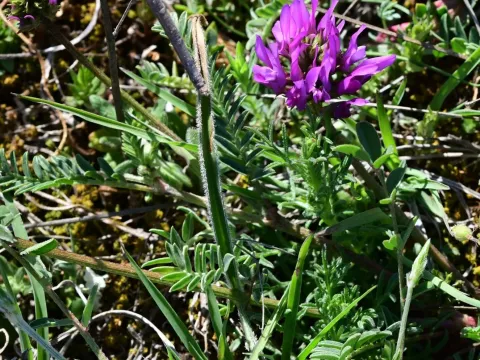
Milk vetch (sainfoin-like)
Astragalus onobrychis
Astragalus onobrychis is a perennial member of the Fabaceae family known for its resilience. Sowing is typically performed in early spring as soon as the soil reaches physical maturity, allowing seeds to utilize available moisture for germination.
What the section contains
Milk vetch (sainfoin-like)
In regions with moderate climates, late autumn sowing is also practiced to allow natural seed stratification during the winter, which can improve germination uniformity in the following spring season.
The seeds possess a hard coat, which often necessitates mechanical scarification prior to planting. This process significantly increases the percentage of germinating seeds and reduces the establishment period in the field.
The recommended seeding rate is approximately 12–15 kg per hectare for pure stands. When incorporating the crop into pasture mixtures, the seeding rate is adjusted according to the desired botanical composition of the stand.
Initial growth during the first year is notably slow, as the plant prioritizes the development of a robust taproot system. Weed management is critical during this period to ensure the survival and vigor of the young plants.
This crop is highly valued for its exceptional drought and cold tolerance. It thrives in steppe and forest-steppe zones, enduring harsh environmental conditions that would limit the productivity of more sensitive forage species.
Astragalus onobrychis prefers light, calcareous, and sandy soils. Due to its deep-reaching root system, it is an excellent candidate for stabilizing eroded slopes and reclaiming degraded, nutrient-poor lands.
The plant demonstrates good tolerance for saline soils, making it useful in areas where conventional crops struggle to establish. However, it is highly sensitive to waterlogging and should not be planted in low-lying areas with shallow water tables.
As a light-demanding species, it requires open, sunny locations for optimal development. Shading can lead to thinning of the stand and a reduction in total biomass production over time.
The plant forms symbiotic relationships with nitrogen-fixing bacteria. If the crop is introduced into new territory, seed inoculation with specific rhizobial strains is recommended to ensure effective nitrogen fixation and vigorous growth.
Yields of green biomass typically range from 15 to 25 metric tons per hectare, depending on moisture availability and soil fertility. It remains a reliable forage source even in years with limited rainfall.
For hay production, average yields range between 4 and 6 metric tons per hectare. The resulting hay is high in protein and serves as a valuable nutritional component in the diet of livestock, including cattle and sheep.
The stand can remain productive for 7 to 10 years, reaching peak performance from the second year onwards. Its long-lived nature makes it a cost-effective choice for perennial pasture establishment.
Seed production is another facet of its agricultural utility, with yields of 200–400 kg per hectare. The presence of pollinators, especially honeybees, is essential to maximize seed set and overall profitability.
While the plant can be grazed, timing is crucial, particularly during the flowering stage. Properly managed rotational grazing ensures the stand remains productive and prevents overgrazing of sensitive regrowth points.
Leaf spot diseases are common, especially in environments with high humidity and poor air circulation. Proper management of stand density and timely harvesting are key strategies to mitigate the impact of these fungal pathogens.
Insect pests, such as weevils, can significantly damage the floral parts and seed pods. Controlling these populations is vital if the primary objective is seed production, as heavy infestations can lead to substantial losses.
Root-feeding larvae can weaken the plants, particularly during the establishment phase. Monitoring the field for signs of larval damage is important for maintaining a healthy and persistent stand over the long term.
Aphids can cause damage during hot, dry summer months by feeding on young shoots and floral buds. While often manageable, severe infestations may necessitate the use of biological or targeted chemical controls.
Root rots may occur if the soil is too dense or prone to saturation. Avoiding heavy soils and ensuring proper field selection are the primary cultural practices to prevent the development of root-related diseases.
Harvesting for green fodder or hay should be timed during the full flowering stage to capture the peak nutritional value. At this stage, the plant balances protein content and fiber levels to provide a high-quality ration.
When producing hay, fast drying is essential to prevent leaf loss, as the leaves contain the highest concentration of vitamins and protein. Mechanical tedding is recommended to accelerate moisture loss without excessive shattering.
Seed harvesting is best performed using the swathing method to prevent pod shattering. By cutting when most pods are brown, farmers can secure a higher quality seed yield and minimize losses during the collection process.
Post-harvest cleaning is necessary to remove debris and foreign particles. Seeds must be stored in a dry, well-ventilated environment to maintain high germination capacity for future seasons.
The crop possesses good regrowth potential after mowing. This allows for a second harvest under favorable moisture conditions, which adds significant value to the total seasonal biomass production for the farm.