
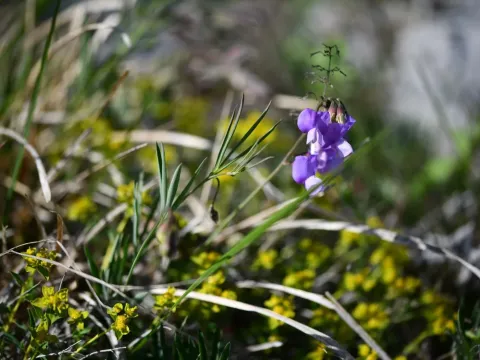
Lathyrus filiformis
Lathyrus filiformis
Lathyrus filiformis is a perennial legume species characterized by its adaptability to various environmental conditions. Sowing is typically conducted in early spring as soon as the soil reaches a workable physical state.
What the section contains
Lathyrus filiformis
The standard row-seeding method is utilized, with row spacing ranging from 15 to 30 centimeters. It is crucial to maintain an optimal seeding depth of 3 to 5 centimeters to ensure adequate moisture contact for seed germination.
Before sowing, seeds should be calibrated to ensure uniformity, which is vital for achieving a stable plant stand throughout the entire growing season.
In the early stages of development, the crop requires minimal intervention, although it is necessary to ensure the absence of weed competition, which can suppress young plants during their establishment phase.
Selecting the correct planting timing allows the plants to establish a strong root system before the onset of summer drought, ensuring better endurance and forage yield in the following years.
The plant prefers fertile, well-aerated soils. It is capable of withstanding short periods of moisture deficit due to its powerful root system, which penetrates deep into the soil profile.
Lathyrus filiformis is a light-loving crop; therefore, it should be grown in open areas that are not shaded by trees or tall structures throughout the day.
The crop exhibits sensitivity to soil pH and prefers neutral to slightly alkaline conditions, which promote the activity of nitrogen-fixing bacteria within the root nodules.
In regions with excessive moisture, a proper drainage system is necessary, as water stagnation can lead to rapid decay of the root collar and plant mortality.
Mineral nutrition should be based on the application of phosphorus and potassium fertilizers, which help strengthen cell walls and increase the overall winter hardiness of the plants.
The primary pathogens affecting this crop are fungal diseases, particularly powdery mildew, which spreads rapidly in high humidity and elevated air temperatures.
Among pests, weevil species and aphids cause the most damage by feeding on young shoots, significantly slowing down the growth and development of the biomass.
Crop rotation is an effective measure to manage disease risks, as it interrupts the life cycle of pathogens that accumulate in the soil after the cultivation of related legume crops.
Insecticides are applied only when the economic damage threshold is exceeded, primarily during periods of massive pest infestation.
Systematic field monitoring allows for the early detection of damage symptoms, enabling localized treatments that reduce the overall chemical burden on the environment.
Harvesting for green fodder or hay is recommended during the early flowering phase, when the plants contain the highest levels of protein and vitamins essential for livestock diets.
For seed production, harvesting begins when the pods achieve their characteristic color, signaling their physiological maturity.
The use of modern harvesting machinery reduces yield losses that may occur due to natural pod shattering if the crop is left in the field for too long.
An important step is the post-harvest drying of seeds, as high moisture content can lead to material degradation and loss of seed quality during winter storage.
Storage is conducted in dry, cool warehouses with reliable ventilation to prevent the growth of mold and protect the seed reserves from pests.