
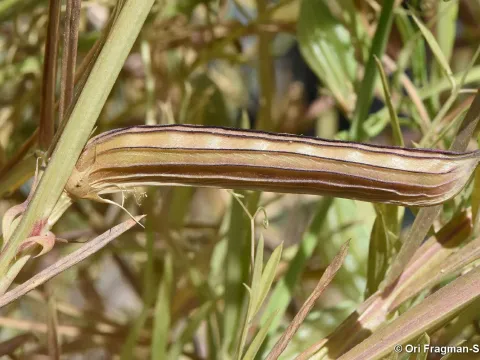
Lathyrus gloeospermus
Lathyrus gloeospermus
Lathyrus gloeospermus is a leguminous crop known for its high adaptability. Planting typically takes place in early spring when the soil reaches a temperature of 5-8 degrees Celsius to ensure successful germination.
What the section contains
Lathyrus gloeospermus
Correct seed spacing and planting depth, usually between 4-6 centimeters, are crucial for uniform plant development across the field.
Seedbed preparation should involve cleaning the soil of weeds to prevent competition during the initial growth stages of this legume.
It is recommended to use certified, high-germination seeds to ensure that the stand density meets the agronomic targets for maximum forage or grain yield.
Crop rotation practices should prioritize planting Lathyrus gloeospermus after cereal crops to optimize soil nutrient usage and break pathogen cycles.
This species thrives in a wide range of soil types, provided that there is sufficient drainage and a balanced level of soil fertility throughout the season.
The plant demonstrates significant drought tolerance, making it a reliable choice for regions where rainfall can be unpredictable during the vegetative growth phase.
Exposure to full sunlight is essential for the plant to achieve its potential, as shade can negatively impact both biomass production and flowering consistency.
Balanced fertilization, particularly with phosphorus and potassium, is highly effective in strengthening the plant structure and improving overall crop health.
Soil pH levels should be monitored, as the plant performs best in neutral to slightly alkaline environments common in many temperate regions.
The yield potential of Lathyrus gloeospermus is heavily dependent on the management of soil moisture and the prevention of pest damage during the bloom stage.
Proper harvesting techniques ensure that seeds are collected at the optimal moisture content to prevent shattering and quality loss in the field.
Yield stability is generally achieved through consistent agronomic care and timely intervention against environmental stressors like sudden heatwaves.
Post-harvest processing involves careful cleaning and drying of the seeds to ensure long-term storage quality and high commercial value for the producer.
Maximizing yield also requires selecting the right plant density, ensuring that individual plants have enough space to produce a large number of pods.
Pathogens such as fungal rots can pose a significant threat during periods of high humidity, necessitating robust integrated pest management strategies.
Insects like the pea weevil can cause substantial damage to developing seeds if not monitored and treated during the early pod formation phase.
Preventative measures, such as selecting resistant cultivars and maintaining field hygiene, are essential for reducing the risk of viral and bacterial infestations.
Root system pests can undermine the plant's nutrient uptake, leading to reduced vigor and stunted growth in affected patches of the field.
Scouting for early symptoms of disease allows for targeted chemical or biological treatments, effectively protecting the harvest without unnecessary over-spraying.
Harvesting Lathyrus gloeospermus is typically carried out using combine harvesters when the pods reach maturity and the moisture levels have dropped sufficiently.
Care must be taken to adjust the cylinder speed and concave clearance of the combine to prevent seed damage or splitting during the threshing process.
The timing of the harvest is critical; early harvesting may result in high moisture content, while delayed harvesting increases the risk of pod shattering.
Cleaning operations immediately after harvest help remove chaff and impurities, improving the overall quality grade of the final seed product.
Proper storage in dry, well-ventilated facilities is necessary to maintain seed viability and prevent mold growth post-harvest.