
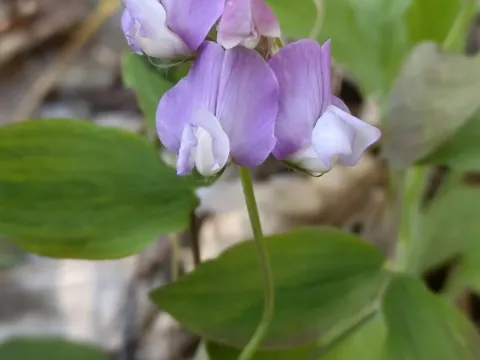
Lathyrus laxiflorus
Lathyrus laxiflorus
Lathyrus laxiflorus is a perennial herbaceous plant belonging to the Fabaceae family, recognized for its role in biodiversity and potential use as a nutritious forage crop.
What the section contains
Lathyrus laxiflorus
Originating from the forest regions of Southeastern Europe and the Caucasus, this species thrives in temperate climates where seasonal rainfall provides consistent moisture during the growing season.
The plant requires well-drained, fertile soil, ideally with a neutral pH level. It is naturally adapted to semi-shaded environments, making it suitable for areas where full sun exposure might stress other forage legumes.
Agronomic management involves preparing a weed-free seedbed, as Lathyrus laxiflorus exhibits slow initial growth and can be easily outcompeted by aggressive weeds during the establishment phase.
In farming practices, it serves as a valuable source of vegetable protein for livestock. Its ability to fix nitrogen enhances soil fertility, making it a sustainable choice for rotational pasture systems.
Like many legumes, Lathyrus laxiflorus is susceptible to powdery mildew, which can significantly impact leaf area and overall dry matter accumulation if the crop is not well-ventilated.
Nodule weevils are common pests that target the root system, potentially hindering the nitrogen-fixation process and weakening the plant's overall vigor.
Aphid infestations during dry, warm spells can stunt growth; therefore, monitoring for these pests during early summer is crucial for maintaining yield quality.
Root rot diseases may occur in poorly drained soils, necessitating careful site selection and the avoidance of waterlogging to ensure the longevity of the perennial stand.
Effective pest and disease control is best achieved through a combination of crop rotation, strategic site selection, and the use of healthy, disease-free planting material.