
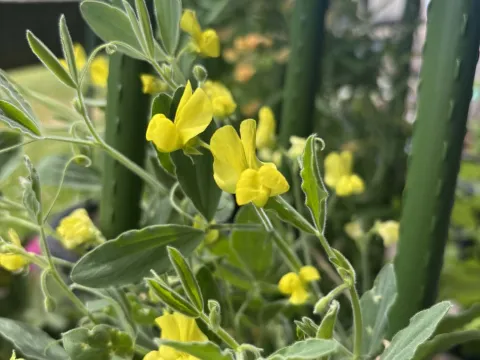
Lathyrus chrysanthus
Lathyrus chrysanthus
Lathyrus chrysanthus is a distinguished member of the Fabaceae family, prized for its biological resilience and unique golden-yellow flowering characteristics.
What the section contains
Lathyrus chrysanthus
Planting is typically performed in early spring, ensuring the soil has reached the minimum temperature required for germination and root development.
Proper spacing is crucial for this legume, as it requires adequate airflow between individual plants to prevent the development of humidity-related issues.
The seeds should be sown at a depth of 3 to 5 centimeters, which is ideal for protecting the developing embryo while allowing it to reach the surface.
Strategic management of sowing dates allows the crop to avoid late spring frosts, which could otherwise jeopardize the initial growth stages of the plants.
This species thrives in well-drained, fertile soils that provide sufficient mineral content to support its vigorous vegetative growth and flowering period.
Environmental conditions such as direct sunlight are highly recommended, as the plant is photophilous and requires significant light exposure to bloom efficiently.
While the plant is relatively drought-tolerant, maintaining consistent soil moisture levels during the peak growing season maximizes total biomass production.
The ideal soil pH for Lathyrus chrysanthus is between 6.5 and 7.5, which optimizes the symbiotic activity of nitrogen-fixing bacteria in the root nodules.
In terms of climatic adaptation, the plant performs best in regions where temperatures do not experience extreme fluctuations during the growing cycle.
Susceptibility to powdery mildew is a primary concern in agricultural settings, particularly when humidity levels remain consistently high over long periods.
Insect pests, such as aphids and various types of weevils, can cause damage to both foliage and developing pods, necessitating diligent monitoring.
Root rot, often caused by poor drainage, remains a significant threat to the longevity of the plant stand and should be mitigated through proper soil management.
Integrated pest management strategies are recommended to reduce reliance on chemical interventions while maintaining high crop yields and health standards.
Preventive measures, including the destruction of plant residues after harvest, are essential to break the life cycles of common legume pests and pathogens.