
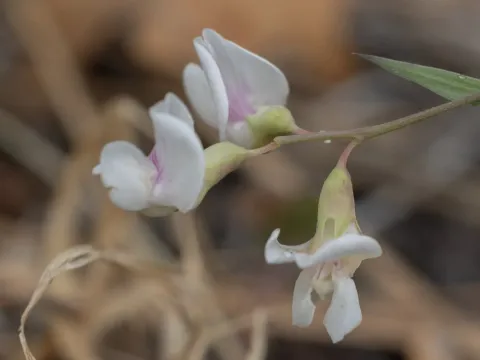
Lathyrus lanszwertii
Lathyrus lanszwertii
Lathyrus lanszwertii is a perennial herbaceous plant belonging to the Fabaceae family. It is known for its hardy nature and ability to thrive in diverse environmental conditions typical of mountainous regions in Western North America.
What the section contains
Lathyrus lanszwertii
Botanically, the species is distinguished by its climbing stems supported by tendrils and compound leaves. It possesses a robust root system, which allows it to stabilize soil and survive in rugged, rocky, or nutrient-poor substrates.
The plant requires well-drained soil and prefers areas with exposure to direct sunlight. It is highly efficient at nitrogen fixation, forming mutualistic relationships with soil bacteria, which enhances the fertility of the local ecosystem.
In terms of climate, it is adapted to temperate and alpine conditions. It exhibits significant tolerance to cold temperatures during dormancy and is capable of thriving in areas with variable moisture availability throughout the growing season.
As a forage resource, Lathyrus lanszwertii serves as a vital component for wild herbivores and has potential for use in sustainable land management and soil reclamation efforts due to its nitrogen-fixing capabilities and erosion control benefits.
Like many legumes, Lathyrus lanszwertii is susceptible to common fungal pathogens, including powdery mildew, which can affect leaves and stems if ventilation is poor and humidity levels are persistently high.
Root rot is a significant risk in poorly drained sites. Ensuring adequate soil aeration and choosing sites with natural drainage are essential agronomic practices to prevent the development of water-related diseases.
Pests such as aphids and pea weevils may threaten the crop by feeding on succulent tissues and reproductive structures. Implementing monitoring programs and managing surrounding vegetation can mitigate the risk of severe infestations.
Viral infections, often spread by insect vectors, can stunt growth and reduce overall biomass production. Maintaining field hygiene and removing potential weed hosts of viruses are standard preventive strategies.
Integrated pest management remains the most effective approach for sustaining healthy stands of this legume. Utilizing diverse crop rotations and maintaining healthy soil microbial activity helps to keep pathogen populations below economic injury levels.