
Large-flower clover
Trifolium grandiflorum
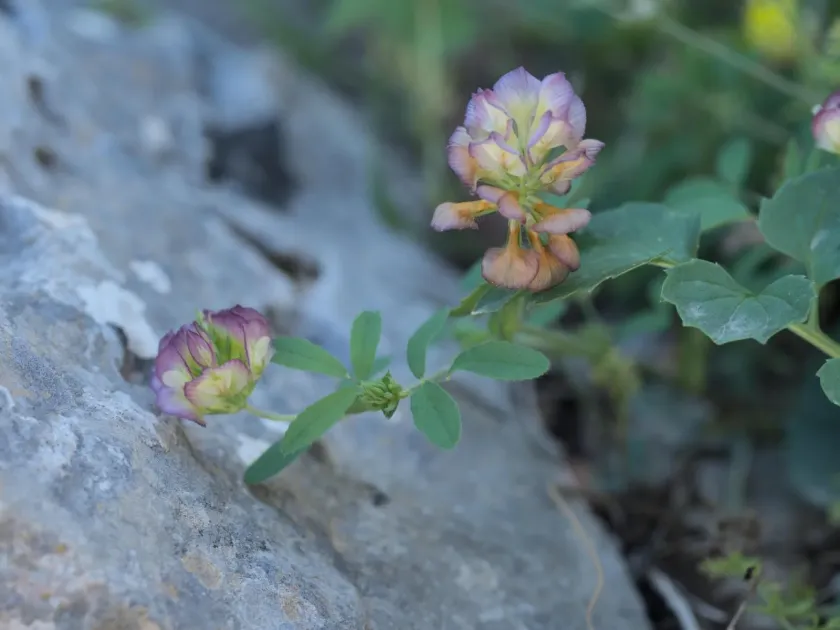
Description
Sowing dates
Sowing of Large-flower clover is typically performed in early spring as soon as the soil reaches a temperature of 6-8 degrees Celsius, which is optimal for rapid seed germination.
Seeds should be planted at a shallow depth of 1.5 to 2 centimeters. Proper seed-to-soil contact, achieved by rolling the field post-seeding, is essential for uniform emergence of the stand.
The standard seeding rate is generally 10 to 15 kilograms per hectare, depending on local conditions and the specific goal of the plantation, such as pure stand vs. meadow mix.
In regions with reliable irrigation, late summer planting can also be considered, provided that moisture levels are strictly monitored to ensure the establishment of the plants before winter.
This crop demonstrates vigorous early-stage growth, which is beneficial for suppression of competing weed species in the initial weeks of the development cycle.
Growing requirements
Large-flower clover belongs to the Fabaceae family and thrives in well-drained loamy to sandy soils. It shows a preference for neutral soil acidity to optimize its nitrogen-fixing capabilities.
As a light-demanding plant, it requires full exposure to sunlight; therefore, excessive shading from neighboring vegetation should be strictly avoided to prevent stem elongation.
While moderately drought-tolerant, the crop requires consistent soil moisture during the active growth phases to maximize biomass production and overall nutritional quality.
Soil fertility management should focus on phosphorus and potassium levels, as these elements are crucial for the development of root nodules that harbor symbiotic nitrogen-fixing bacteria.
- Preferred soil pH: 6.0–7.0.
- Water requirements: Moderate to high during active growth.
- Sunlight exposure: Full sun.
Yield
The yield potential of Large-flower clover is contingent upon favorable environmental conditions and effective crop management practices, particularly during the second year of growth.
When used as a green manure, the crop significantly improves soil structure and nutrient content, providing a biological boost for the subsequent cereals or row crops in the rotation.
Productivity is at its peak when the plant is harvested in the early blooming phase, ensuring a balance between vegetative volume and the nutrient density of the forage.
Agricultural operations can achieve multiple cuts per growing season, providing a reliable source of high-quality protein for livestock feed, including hay and silage production.
Strategic fertilization and proper moisture management allow for yields ranging from 20 to 35 tonnes of green matter per hectare under intensive farming conditions.
Main diseases and pests
Fungal diseases, including powdery mildew and anthracnose, represent the primary threat to the crop, especially in areas with high humidity and poor air circulation within the canopy.
Insects like the clover root curculio and aphids are known to cause damage to both leaves and root systems, which can significantly reduce the vitality and longevity of the stand.
Integrated pest management, including crop rotation and the removal of host plants in nearby fields, is essential to minimize the spread of diseases and insect pressure.
Field scouting should be prioritized during the spring regrowth phase to identify signs of infestation early and prevent economic loss through timely, targeted interventions.
Maintaining a balanced soil fertility profile helps increase the inherent resistance of the clover to common pests and stressful environmental factors.
Harvesting
Forage harvesting should be timed during the early flowering phase to maximize the protein content and overall digestibility of the forage for livestock nutrition.
Drying processes for hay must be carefully managed to ensure rapid moisture reduction, which helps preserve the high-nutrient foliage and prevents the growth of mold.
Seed harvesting requires attention to detail, often involving desiccants or two-stage harvesting methods to ensure uniform maturity and reduce grain loss during the thrashing process.
Post-harvest conditioning of seeds is vital; seeds must be cleaned and dried to appropriate moisture levels to maintain viability for long-term storage.
Proper incorporation of crop residues into the soil after the final harvest contributes to the buildup of organic matter and improves the overall sustainability of the farming system.