
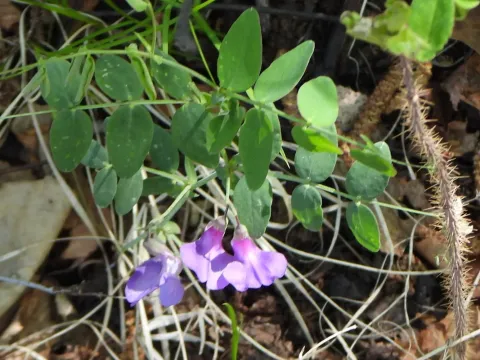
Lathyrus humilis
Lathyrus humilis
Lathyrus humilis is a perennial leguminous plant known for its hardiness and adaptation to temperate climates. Sowing is typically carried out in early spring, once the soil has sufficiently warmed to allow for consistent germination.
What the section contains
Lathyrus humilis
The seeds should be placed at a depth of approximately 3 to 5 centimeters. This depth provides the necessary soil contact while ensuring the seedlings can emerge successfully through the soil surface.
When sowing for forage production, consistent spacing is vital. A standard row sowing method is preferred to facilitate mechanical maintenance and future weed control throughout the first year of growth.
Since the initial growth phase of Lathyrus humilis is relatively slow, keeping the field free of weeds during the first two months is essential to ensure the crop establishes a strong root system.
Proper inoculation of seeds with specific nitrogen-fixing bacteria can enhance the initial establishment and improve the overall nitrogen-fixing capacity of the crop in subsequent years.
Lathyrus humilis thrives in fertile, well-drained loamy or sandy loam soils. While it is adaptable to a range of soil types, it performs best in soils with neutral or slightly acidic pH levels.
This crop is characterized by its high drought tolerance once established, thanks to its extensive root system that reaches deep into the subsoil to access moisture during dry spells.
Although it is light-demanding, it demonstrates remarkable resilience in various light conditions, including semi-shaded areas, making it versatile for different agricultural landscapes.
The plant is highly frost-resistant, which makes it an ideal candidate for cultivation in regions with cold winters where other leguminous species might suffer winterkill.
Application of phosphorus and potassium fertilizers during the autumn preparation period supports root development and significantly increases the cold tolerance and biomass yield.
The main biological threats to Lathyrus humilis include various fungal pathogens such as rust and powdery mildew, which can become prevalent under conditions of high humidity.
Insect pests like the pea leaf weevil (Sitona lineatus) can cause significant damage to young seedlings by feeding on roots and foliage, potentially weakening the entire stand.
Aphids are also known to colonize the plants, sucking sap from the stems and leaves, which can lead to reduced plant vigor and the transmission of various plant viruses.
Integrated Pest Management (IPM) practices, including proper crop rotation and the use of resistant varieties, are recommended to maintain field health without excessive chemical intervention.
Regular field inspection is necessary to identify early signs of infestations, allowing for targeted treatments that minimize the impact on beneficial insects and soil biodiversity.
Lathyrus humilis is primarily utilized as a high-protein forage crop. It provides excellent nutritive value for livestock, whether harvested as fresh green feed, hay, or silage.
The ideal time for harvesting for hay is during the early flowering stage. This timing ensures a optimal balance between total biomass volume and the nutritional density of the plant tissue.
For seed production, harvesting should be performed when the pods turn brownish. Careful timing is critical because the pods are prone to dehiscence, which can result in significant seed loss.
The use of specialized harvesting equipment with appropriate header settings is recommended to ensure gentle handling of the crop and reduce shattering during the collection process.
Post-harvest management involves cleaning and drying the harvested material. Maintaining low moisture content during storage is essential to prevent mold growth and preserve seed viability for future sowing.