
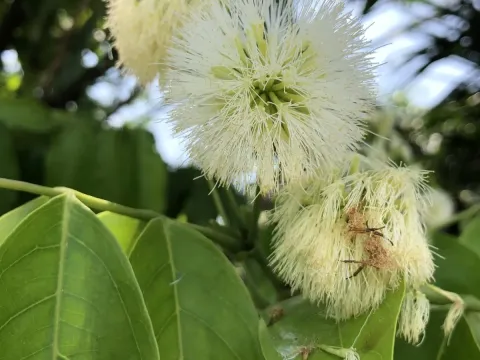
Inga jinicuil
Inga jinicuil
Propagation of Inga jinicuil is performed exclusively through seeds, which must be planted immediately after extraction due to their short viability when dried. The ideal sowing time aligns with the beginning of the rainy season to ensure optimal moisture levels for germination.
What the section contains
Inga jinicuil
In nurseries, seeds are sown into individual containers filled with a light, nutrient-rich potting mix, buried about 2-3 centimeters deep. It is critical to maintain consistent soil moisture, ensuring that the substrate does not dry out while avoiding waterlogging.
Seedlings are ready for transplanting into their permanent locations when they reach a height of 30 to 40 centimeters, typically at 4-6 months of age. Hardening off the seedlings is essential to prepare them for direct sunlight and fluctuating temperatures in the field.
In agroforestry systems, trees are typically spaced 5 to 10 meters apart, depending on the canopy cover required for companion crops like coffee or cocoa. Precise spacing is key to balancing sunlight and shade for the plantation's overall health.
Using mulch around the base of the newly planted trees is a common practice to suppress weeds and conserve soil moisture. This simple step significantly enhances the survival rate of young saplings during the initial growth phase.
Inga jinicuil thrives in a tropical climate characterized by high humidity and consistent rainfall throughout the year. It exhibits remarkable adaptability to various altitudes, ranging from sea level up to 2000 meters in tropical regions.
The tree prefers deep, well-drained soils, although it is well-known for its ability to thrive in nutrient-poor soils. This is attributed to its symbiotic relationship with nitrogen-fixing bacteria, which enriches the surrounding soil with nitrogen.
While mature trees are quite resilient to high solar radiation, young plants benefit from partial shade during their establishment phase. The species is also noted for its strong wind resistance, making it an excellent candidate for windbreaks.
Regular pruning is vital for managing the tree's growth and maintaining a healthy canopy structure. Pruning helps to improve airflow within the plantation, thereby reducing the incidence of fungal pathogens and promoting leaf renewal.
The tree requires minimal fertilizer input as it naturally contributes significant organic matter to the soil. Its fallen leaves provide a continuous source of nutrients, acting as an effective natural fertilizer for the entire ecosystem.
The primary harvest consists of long, green pods containing a sweet, cotton-like pulp surrounding the seeds. A mature tree can yield between 50 and 150 kilograms of pods annually, providing a consistent income source for farmers.
Trees typically begin to fruit between 3 and 4 years after planting, with full production capacity reached within 6-8 years. Under favorable conditions, the tree may flower and fruit multiple times per year.
Beyond the pods, Inga jinicuil is a valuable source of biomass, which is often utilized for firewood or construction timber in rural areas. This multipurpose use enhances the economic viability of the tree within smallholder farms.
As a shade tree, it indirectly increases the yield of coffee and cocoa crops by regulating temperatures and reducing heat stress. This symbiotic relationship is a cornerstone of sustainable tropical agricultural practices.
By producing both food and ecological benefits, the tree serves as a highly efficient tool for small-scale agriculture. The integration of Inga into farming systems is a proven strategy for increasing overall land productivity.
High humidity and poor ventilation can predispose the tree to fungal infections, such as powdery mildew, which affects the leaves. Strategic canopy management and pruning are the best defenses against these localized issues.
Certain insect pests, including leaf-eating caterpillars and boring beetles, can cause localized damage. Integrated pest management strategies, emphasizing biological controls, are preferred to maintain the ecological balance of the plantation.
Root rot represents a serious threat, particularly in poorly drained soils or waterlogged areas. Proper site selection and site preparation are crucial preventative measures to keep the root systems healthy.
Parasitic plants, like mistletoe, may occasionally colonize older trees, extracting nutrients and potentially weakening the host. Periodic monitoring and manual removal of these parasites help to ensure the long-term health of the trees.
While the species is hardy, severe nutritional deficiencies or extreme drought can temporarily stress the plant, making it more susceptible to opportunistic pathogens. Consistent care and observation are required for long-term health.
Pods are harvested manually when they reach full maturity, indicated by their firm texture and typical size. Harvesting must be handled with care to avoid damaging the fruiting spurs, which are necessary for subsequent yields.
Using ladders or telescopic poles is standard for collecting pods from the upper branches of taller trees. Careful handling ensures that the branches remain intact, supporting sustained productivity across consecutive seasons.
Post-harvest shelf life is relatively short, as the fresh pulp around the seeds is perishable. It is recommended to sell or consume the pods within a few days of harvesting to ensure the best flavor and quality.
The pulp is highly prized for its sweet, vanilla-like taste when eaten fresh. Additionally, the seeds can be prepared through boiling or roasting, providing another nutritious food option for local communities.
Proper sorting and grading of the harvested pods allow farmers to remove any damaged or immature specimens. This quality control process adds value to the product when sold at local fresh food markets.