
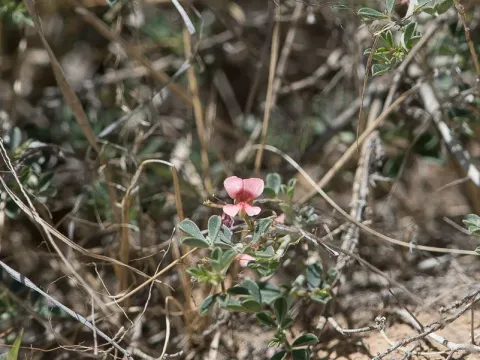
Spiny Indigo
Indigofera spinosa
Spiny Indigo (Indigofera spinosa) is a member of the Fabaceae family, adapted to survive in harsh, arid, and semi-arid environments across Africa and Western Asia.
What the section contains
Spiny Indigo
This species is characterized by its woody, thorny structure and a deep-reaching root system, which allows it to thrive in nutrient-poor, sandy, or gravelly soils.
It is a highly drought-tolerant shrub, capable of enduring long periods of water deficit by entering a state of physiological dormancy during extreme dry seasons.
Cultivation requirements focus on providing high solar radiation and preventing any form of waterlogging, which can prove fatal to the roots of this xerophytic plant.
The plant acts as a pioneer species in sandy terrains, stabilizing dunes and improving soil structure through its symbiotic nitrogen-fixing ability.
The primary agricultural use of Indigofera spinosa is as a hardy, perennial browse species for camels, goats, and sheep in desert pastoral systems.
Although biomass production is limited by extreme environmental conditions, it serves as an essential source of protein when other forage species are unavailable.
Beyond animal nutrition, the plant is utilized in sand dune stabilization projects, where it reduces wind erosion and improves the microclimate for other species.
The harvesting process in agricultural settings is typically limited to controlled grazing, ensuring that the plant is not over-exploited and can recover after drought.
Integrating Spiny Indigo into pastoral management plans helps in maintaining sustainable agricultural productivity in regions undergoing severe desertification.
Overgrazing remains the most significant threat to Spiny Indigo populations, as constant pressure prevents the shrub from reaching reproductive maturity.
Insects, such as specific leaf-eating beetles, can cause localized damage to the foliage, especially during growth spurts triggered by occasional rainfall.
Root pathogens and rot-inducing fungi can affect the plant if grown in compacted or poorly drained soils, particularly in humid or water-saturated environments.
Competition from non-native invasive species poses a growing risk, as these plants may outcompete the Spiny Indigo for limited soil moisture in changing climates.
Management strategies should include monitoring for pest outbreaks and implementing restrictive grazing schedules to ensure long-term sustainability of the stand.