
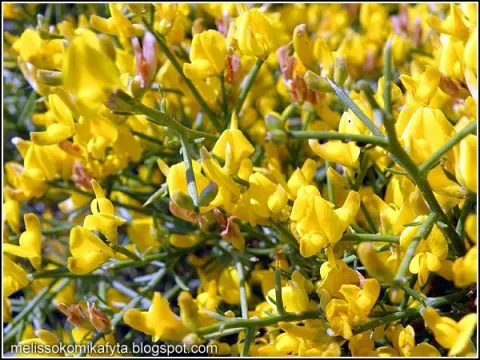
Spiny broom
Genista acanthoides
Spiny broom (Genista acanthoides) is a perennial semi-shrub belonging to the Fabaceae family. It is recognized for its rigid, spine-tipped branches and dense growth habit, which provide resilience in harsh environmental conditions.
What the section contains
Spiny broom
Originating from rocky, arid habitats, this plant is remarkably well-adapted to poor, nutrient-deficient soils. It is particularly effective in regions where high evaporation rates limit the growth of more sensitive vegetation.
Successful cultivation requires soil with excellent drainage. Sandy or stony substrates are ideal, as the plant is highly susceptible to root decay if water accumulates around the base for an extended period.
This species demands full sun exposure to maintain its structural integrity and produce its characteristic yellow flowers. Insufficient light levels lead to etiolation, reducing the plant's natural defensive and aesthetic properties.
In terms of climate, Spiny broom prefers temperate environments with warm, dry summers. It exhibits good tolerance to wind and does not require complex irrigation infrastructure, making it a low-maintenance choice for dryland management.
The main pathological threats involve fungal infections favored by high humidity or stagnant air around the shrub. Powdery mildew is the most common issue, often appearing as a white coating on foliage during damp seasons.
Pest pressure is usually associated with aphids and spider mites, which can cause significant stress to the plant by feeding on young, succulent shoots. Early detection is crucial to preventing long-term damage.
Preventive strategies include ensuring proper spacing between plants to maximize airflow. This structural approach minimizes the microclimate conditions that fungi and pests require to thrive.
Sanitation practices, such as removing dead or dying branches, help keep the shrub healthy and prevent the spread of diseases. This is best performed after the flowering season to reduce plant stress.
If chemical intervention is necessary, targeted application of appropriate fungicides or insecticides should be implemented. Always consider the environmental impact and the potential effect on local pollinator populations.