
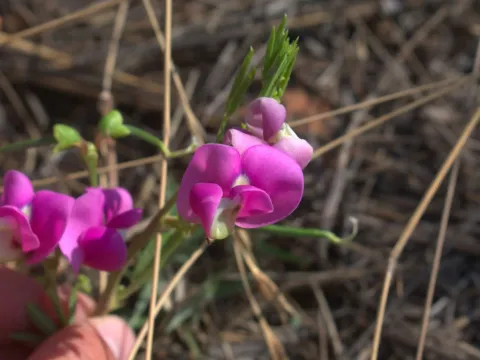
Sphenostylis
Sphenostylis
The sowing of Sphenostylis is typically timed to coincide with the onset of the rainy season, which is crucial for seed germination and the establishment of a strong root system.
What the section contains


Sphenostylis
Seeds are sown directly into prepared soil at a depth of 3 to 5 centimeters, maintaining sufficient spacing between rows to accommodate the plant's vining growth habit.
In regions with a distinct dry season, it is essential to ensure soil moisture during the first few weeks after planting to prevent young seedlings from drying out.
The optimal temperature range for germination is between 25 and 30 degrees Celsius, confirming the plant's preference for warm, sun-drenched environments.
For optimal germination rates, it is recommended to select only healthy, dense seeds, as poorly developed material is prone to rotting in excessively moist soil conditions.
Sphenostylis thrives in light, well-drained sandy or sandy-loam soils, which allow the tubers to develop freely without succumbing to waterlogging.
As a member of the Fabaceae family, this plant is capable of forming symbiotic relationships with nitrogen-fixing bacteria, effectively enriching the soil nitrogen levels.
The crop requires high light intensity; therefore, planting in shaded areas is strongly discouraged, as light competition negatively impacts both vegetative growth and tuber yield.
While the plant prefers a relative humidity of 70–80 percent, its deep-reaching root system allows it to tolerate short periods of moderate soil moisture stress.
Because it is a vining plant, providing sturdy trellises or supports is essential; without them, the vines trail on the ground, making maintenance and harvesting significantly more difficult.
Yield potential varies depending on soil fertility, light exposure, and the distribution of rainfall throughout the growing season, typically averaging several tons per hectare.
The primary economic value lies in the tubers, which are nutritionally comparable to sweet potatoes, and the seeds, which are highly regarded for their protein content.
Under intensive cultivation systems utilizing organic inputs, yield parameters can be significantly enhanced compared to traditional smallholder agricultural practices.
A key factor in maximizing productivity is effective weed management during the early stages of growth, as the plant is highly sensitive to competition for nutrients.
The total number and size of tubers per plant are largely determined by substrate fertility and the health of the canopy, which sustains photosynthesis for energy storage.
Sphenostylis is frequently susceptible to root-knot nematodes, which can severely compromise tuber quality and total harvest mass by penetrating the plant tissues.
In high-humidity environments, the plant is vulnerable to various fungal infections, such as root rot, which are often triggered by water accumulation in the root zone.
The foliage can be damaged by various insect pests, including leaf beetles and aphids, which feed on plant sap and may act as vectors for viral pathogens.
During storage, the seeds are susceptible to common storage pests, necessitating thorough drying and proper storage in well-ventilated, secure conditions.
Disease management strategies rely heavily on crop rotation, ensuring the plant is not returned to the same plot for at least three to four years after other legumes.
The harvest phase begins as the vine foliage starts to wither, signaling that the plant has ceased active growth and the tubers have reached their full maturation.
Great care must be taken during the digging process to avoid wounding the tubers, as physical damage invites bacterial and fungal decay during the storage period.
Once harvested, tubers should be cleaned of soil and cured in a shaded, well-ventilated area for several days to harden the skin and improve shelf life.
The grain component is harvested by hand-picking the dried pods, threshing them once they become brittle and turn a characteristic brownish color.
To ensure long-term preservation of the harvest, it is vital to maintain low moisture levels and stable cool temperatures in the storage facility.