
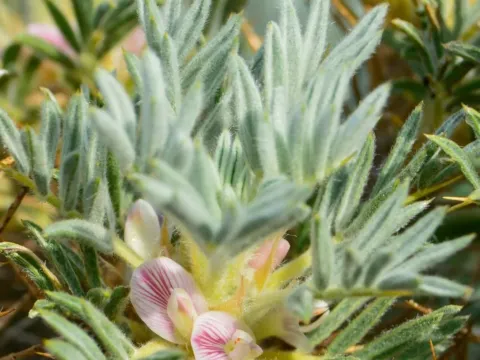
Spiny tragacanth
Astragalus arnacantha
Sowing of Astragalus arnacantha is primarily conducted in the spring when soil temperatures reach 10–12 degrees Celsius. A critical step in seed preparation is scarification, as the hard seed coat hinders natural germination.
What the section contains
Spiny tragacanth
Seeds are sown at a depth of 1–2 centimeters. When using row planting, it is necessary to maintain a spacing of 45–60 centimeters between rows to ensure adequate light exposure and ventilation for the plants.
Seedlings of this crop develop slowly in the early stages, making it vital to keep fields weed-free. Mulching is highly recommended to conserve soil moisture and suppress unwanted weed growth.
The seeds possess a long dormancy period, a common trait for xerophytic species. Autumn sowing is also an option in regions with mild winters to allow for natural seed stratification.
Planting density must account for the shrubby growth habit of the plant to avoid excessive overcrowding, which can lead to fungal diseases due to high localized air humidity.
Spiny tragacanth is a member of the Fabaceae family, adapted to dry and rocky soil conditions. The plant demonstrates high tolerance to drought and extreme temperature fluctuations.
The crop prefers well-drained, sandy, or rocky soils with a neutral to slightly alkaline pH. Waterlogging is detrimental to this species and frequently leads to root rot.
The plant is light-loving, requiring maximum sun exposure throughout the day. In shaded areas, bush development slows down, and the synthesis of specific gums is significantly reduced.
During the active vegetation phase, the crop requires moderate irrigation, although mature plants are self-sufficient due to their deep, penetrating taproot system.
A key success factor is the presence of specific nitrogen-fixing bacteria in the soil, which form a symbiotic relationship with the root system to provide atmospheric nitrogen.
The primary commercial product from Astragalus is tragacanth gum, obtained through the tapping (incisions) of the plant's stems. Yield depends heavily on the plant's age and seasonal weather conditions.
Maximum gum productivity is achieved in plants between 3 and 5 years old. Commercial harvesting requires manual labor, as incisions must be performed with precision to prevent plant mortality.
Biomass yields can be significant if the plant is utilized as a forage crop in extremely arid regions where other legumes fail to survive.
The quality of tragacanth is determined by its water-swelling capacity, which is a crucial metric for the pharmaceutical and food industries using it as a thickening agent.
Stable yields are ensured by proper plot management, allowing plants recovery periods between gum harvesting cycles to replenish their physiological resources.
Root rot represents the primary threat to this crop, occurring primarily when soil drainage is poor. Prevention involves implementing effective soil drainage measures.
Pests like weevils and spider mites may attack young leaves and shoots during drought periods. Biological control methods are preferred to maintain the ecological purity of the raw material.
Powdery mildew can spread under unfavorable temperature conditions. Effective management includes maintaining optimal plant spacing and promptly removing infected plant parts.
The plant is also susceptible to specific types of rust, which may appear during sharp fluctuations in humidity. Regular monitoring during the spring and summer is essential.
Weed encroachment is an indirect threat, as weeds compete for nutrients and moisture, weakening the plant's immune system and making it more susceptible to infections.
Harvesting of tragacanth gum is conducted during the hot season when natural sap flow promotes exudation through stem incisions. Freshly collected gum requires immediate shade drying.
Harvesting must be handled carefully; the number of incisions per bush is strictly regulated to prevent the depletion of carbohydrate reserves in the roots, which are necessary for winter survival.
Post-harvest, the material is sorted by color and purity. High-quality gum appears as translucent flakes or ribbons, free from bark or soil impurities.
For long-term storage, the finished product is packed in airtight containers to prevent moisture absorption, as the hygroscopic nature of tragacanth causes it to degrade if stored improperly.
If vegetative biomass harvesting is required, it is best performed at the full flowering stage when the concentration of beneficial phytochemicals in the aerial parts is at its peak.