
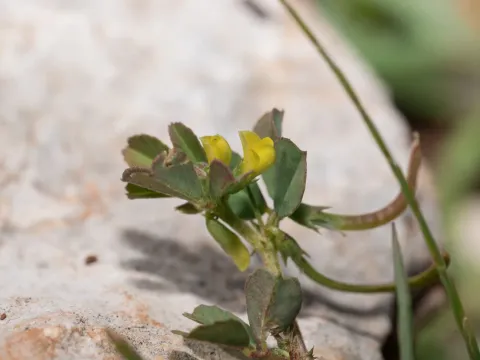
Spiny Fenugreek
Trigonella spinosa
Spiny Fenugreek is an annual plant belonging to the Fabaceae family. The sowing process generally begins in early spring once the soil temperature consistently reaches 10 degrees Celsius, ensuring adequate moisture levels for germination.
What the section contains
Spiny Fenugreek
It is recommended to use row spacing of approximately 30 centimeters to allow for optimal air circulation and easier weeding processes. Seeds should be planted at a depth of 2 to 3 centimeters for consistent emergence.
The plant exhibits moderate germination energy, making the preparation of a fine, level seedbed essential for uniform crop establishment. Proper soil compaction after sowing helps in maintaining seed-to-soil contact.
In regions with shorter growing seasons, starting the plants in trays as transplants is a viable strategy to ensure the crop reaches maturity and produces high-quality seeds before the first frost.
Selecting appropriate predecessors is crucial; planting Spiny Fenugreek after cereal crops minimizes the risk of soil-borne pathogens common to legumes and enhances the overall health of the field.
This crop thrives in well-lit locations with well-drained, fertile, sandy loam soils. It is sensitive to waterlogging, so areas with high groundwater levels should be avoided to prevent root damage.
The optimal pH range for growing Trigonella spinosa is between 6.5 and 7.5. Soils that are too acidic should be treated with lime before sowing to improve nutrient availability for the developing plants.
While the plant is known for its resilience and drought tolerance due to its Mediterranean origin, supplemental irrigation during the peak vegetative stage and flowering significantly boosts yields.
Temperature stability is vital for optimal development. Exposure to excessive heat during the flowering phase can lead to flower abortion, while consistently cold nights slow down metabolic processes.
Balanced fertilization with phosphorus and potassium is recommended to ensure robust growth. Nitrogen application should be limited, as the plant, like many legumes, is capable of fixing its own nitrogen.
The yield of Spiny Fenugreek varies based on soil fertility and management intensity. Under professional agronomic conditions, one can expect a green biomass yield of 15 to 25 metric tons per hectare.
Seed production is a secondary but highly valuable outcome of cultivation. Depending on the season and care, seed yields typically range from 0.5 to 1.0 metric tons per hectare under favorable conditions.
The economic value of this crop is centered on its use in the culinary sector as a specialty spice and in the pharmaceutical industry for its mucilaginous and essential oil content.
Beyond commercial use, the plant serves as an excellent nitrogen-fixing cover crop, which improves the organic matter content and fertility of the soil for subsequent seasonal rotations.
Adopting mechanized harvesting technologies for seed collection reduces harvest losses, thereby improving the profitability of the crop for commercial-scale farmers operating in the spice market.
Root rot caused by fungal pathogens is a primary threat, particularly in poorly drained fields. Preventing water stagnation is the most effective way to protect the root system from infection.
Powdery mildew may occur during periods of high humidity and warm temperatures. Farmers are advised to maintain proper plant spacing to ensure airflow and reduce the humidity levels around the foliage.
Pests such as aphids and various weevils can damage young leaves and developing buds. Regular field scouting is necessary to identify outbreaks before they impact the final biomass or seed yield.
Integrated pest management (IPM) practices, including the use of biological control agents, are preferred over broad-spectrum pesticides to ensure the final product meets safety standards for food use.
Seed-borne diseases necessitate the use of high-quality, certified seeds and appropriate seed treatments before planting to ensure that the field remains free from persistent pathogenic threats.
For green mass production, harvesting should take place during the peak flowering stage. This is the period when the essential oil concentration is highest, ensuring the best aromatic quality.
Seed harvest begins when the pods turn brown and start to mature. Farmers must monitor the field closely to harvest before the pods dry out completely and shatter, which causes significant field losses.
After cutting, the plant material must be dried in a shaded, well-ventilated area or in mechanical dryers at temperatures not exceeding 40 degrees Celsius to preserve volatile organic compounds.
Once dried, the seeds must be threshed, cleaned of debris, and stored at a moisture level below 14 percent to prevent spoilage and maintain their viability for future planting seasons.
Proper packaging in airtight containers is essential for storing seeds to maintain their characteristic aroma and medicinal properties until they are processed for the final consumer market.