
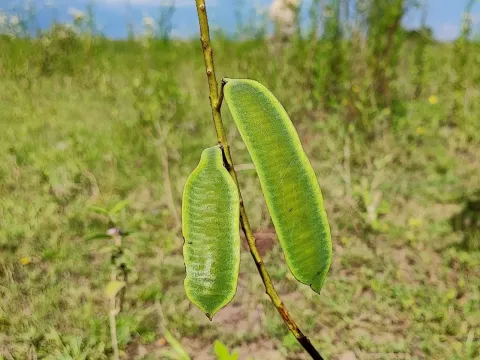
Spiny Cassia
Cassia aculeata
Spiny Cassia (Cassia aculeata) belongs to the Fabaceae family. As a perennial plant, it is typically sown in the spring once soil temperatures consistently exceed 20 degrees Celsius.
What the section contains
Spiny Cassia
The seeds possess a hard seed coat, necessitating scarification before planting to improve germination rates and ensure uniform field emergence.
Sowing depth generally ranges from 2 to 3 centimeters, depending on the soil texture. In tropical regions, planting at the onset of the rainy season is optimal to provide sufficient moisture for root establishment.
Row spacing is usually maintained between 50 and 70 centimeters to allow for efficient mechanized field maintenance and to provide each plant with adequate space for growth.
Post-emergence monitoring is vital, as excessive plant density can trigger resource competition, which negatively impacts overall biomass development.
This crop is highly light-demanding and requires maximum sun exposure for healthy growth and optimal seed maturation. Shading often results in leggy stems and poor biomass quality.
Spiny Cassia prefers well-drained loamy or sandy soils with a neutral to slightly acidic pH. Waterlogging is detrimental and can quickly lead to root rot and plant mortality.
While the plant exhibits moderate drought tolerance due to a deep taproot system, supplemental irrigation during the active growing phase significantly enhances overall crop yield.
The optimal temperature range is between 22 and 30 degrees Celsius. Temperatures below 15 degrees Celsius typically slow or halt physiological processes, restricting growth.
Wind protection is essential during the early stages of development, as young stems can be fragile and prone to damage, despite the plant's mature thorny characteristics.
The primary agricultural use of Spiny Cassia involves harvesting biomass for use as green manure (a soil-improving agent) or collecting raw material for pharmaceutical production.
When best practices are applied, biomass yields are substantial, making this plant an efficient candidate for sustainable soil management programs and crop rotation cycles.
Seed yield is heavily dependent on pollinator activity; placing beehives near the field can increase success rates during the flowering phase by ensuring efficient cross-pollination.
Medicinal raw material should be harvested during the budding phase, as this stage marks the peak concentration of secondary metabolites within the leaves.
Economic viability largely depends on the efficiency of post-harvest processing and the ability to maintain quality standards during storage and distribution.
Caterpillars are the most common pests, as they consume foliage and impede photosynthesis. Regular field scouting is necessary to identify and treat infestations before they spread.
Root rot is the most significant disease threat, usually triggered by improper irrigation or poor drainage. Managing water levels is the primary preventative measure.
Powdery mildew can occur in conditions of high humidity combined with poor air circulation. Thinning rows is an effective cultural practice to mitigate this risk.
Mites and aphids may attack young growth points, causing leaf distortion. If intervention is required, biological controls or authorized systemic insecticides are recommended.
Weed pressure during the first few weeks is significant. Effective mechanical weeding or inter-row cultivation is required to prevent early competition and ensure crop success.
Green mass harvesting is scheduled immediately before the onset of flowering, as the nutrient concentration within the plant reaches its zenith at this specific moment.
When harvesting leaves, manual or mechanical methods should be used with caution, given the presence of spines on the stems, to ensure personnel safety.
Seed collection occurs once the pods change color, indicating physiological maturity and loss of moisture. It is crucial to harvest before the pods shatter to prevent field loss.
After collection, raw material must be dried immediately in a well-ventilated, shaded environment or in specialized drying units under temperature control.
Properly dried products maintain their quality over longer periods, which simplifies storage, reduces the risk of mold growth, and optimizes logistics for transport.