
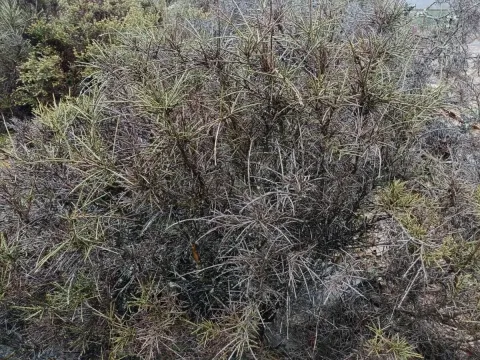
Spiny broom
Genista hystrix
Spiny broom (Genista hystrix) is a notable member of the Fabaceae (legume) family, primarily recognized for its hardy, thorny architecture. It is an evergreen or semi-evergreen shrub adapted to thrive in harsh, nutrient-poor, and dry environments, making it a robust candidate for xeriscaping.
What the section contains
Spiny broom
Originating from the Iberian Peninsula, this plant has evolved to withstand long periods of drought. Its botanical structure, featuring modified spine-like branches, serves to minimize transpiration, which is a key physiological adaptation for survival in its native habitat.
The cultivation requirements for Genista hystrix are centered on excellent drainage and full sun exposure. It is highly intolerant of waterlogged soil conditions, which quickly lead to root decay and overall plant failure in most temperate climates.
Soil preferences lean towards sandy, acidic to neutral, well-aerated substrates. Unlike many agricultural crops, it does not require high levels of nitrogen fertilizer because the plant is capable of fixing atmospheric nitrogen through its specialized root nodules.
In terms of agricultural management, spacing should be maintained to ensure proper airflow around the canopy. Regular, light pruning after the flowering phase helps maintain the structural integrity and health of the shrub, preventing the accumulation of dead biomass within the center.
Fungal infections are the most significant threats to the long-term health of spiny broom. Powdery mildew can affect the foliage during periods of stagnant humidity, leading to premature leaf drop and weakened photosynthesis.
Root rot, primarily caused by Phytophthora species, is often the result of poor drainage or overwatering. Once established, this pathogen is difficult to control, making preventive soil management and drainage improvement the primary defense strategies.
Various aphid species often infest the tender tips of the broom in spring. While usually not lethal, heavy infestations can cause stunted growth and transmit viral diseases, requiring targeted intervention if the plant's vigor begins to decline.
Spider mites can also be problematic in extremely dry and hot weather. They thrive on the underside of the leaves, drawing out cell contents and causing a stippled appearance on the foliage, which reduces the plant's aesthetic and photosynthetic value.
The overall resilience of Genista hystrix is generally high compared to more domesticated cultivars. However, monitoring for signs of wilt and ensuring the substrate is allowed to dry out significantly between watering sessions remain the best defenses against common plant threats.