
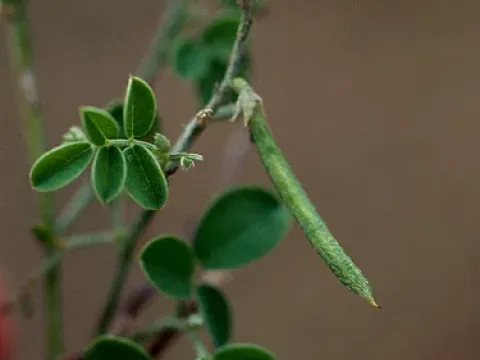
Indigofera jamaicensis
Indigofera jamaicensis
Indigofera jamaicensis is a perennial shrub species belonging to the legume family (Fabaceae). It is native to the Caribbean region, particularly Jamaica, where it has historically been utilized for its specialized biological properties.
What the section contains
Indigofera jamaicensis
The plant thrives in well-drained, sandy or loamy soils with a neutral pH level. As a nitrogen-fixing legume, it significantly improves soil fertility by converting atmospheric nitrogen into a plant-available form via symbiotic root bacteria.
Climatically, it requires full sun exposure and warm temperatures throughout the growing season. It exhibits excellent tolerance to drought, making it suitable for regions with pronounced dry seasons where other forage or technical crops might fail.
Botanically, it features compound leaves and dense racemes of small, papilionaceous flowers. The fruits are typically elongated, narrow pods containing multiple small seeds, which serve as the primary method of propagation.
Its primary agricultural uses include soil stabilization to prevent erosion, use as a cover crop, and historical production of natural blue dye. It is highly valued in permaculture systems for its low-maintenance growth habit.
Fungal diseases like powdery mildew represent the primary risk for this species, especially when humidity remains high for extended periods. Ensuring proper plant spacing is essential to reduce moisture stagnation.
Insect pests, including aphids and leaf-eating beetles, often target the tender shoots during active growth phases. Integrated pest management strategies are recommended to keep populations below economic injury levels.
Root rot caused by Oomycetes can occur if the soil structure does not allow for efficient water drainage. Improving soil texture with organic matter helps mitigate this risk effectively.
Weed competition during the seedling stage can significantly suppress development. Regular weeding or the application of organic mulch is necessary until the plants reach a size sufficient to shade out competitors.
Regular field scouting is mandatory during the rainy season to identify early signs of pathogen outbreaks. Early detection allows for targeted interventions that minimize the need for broad-spectrum chemical applications.