
Indigofera microcarpa
Indigofera microcarpa
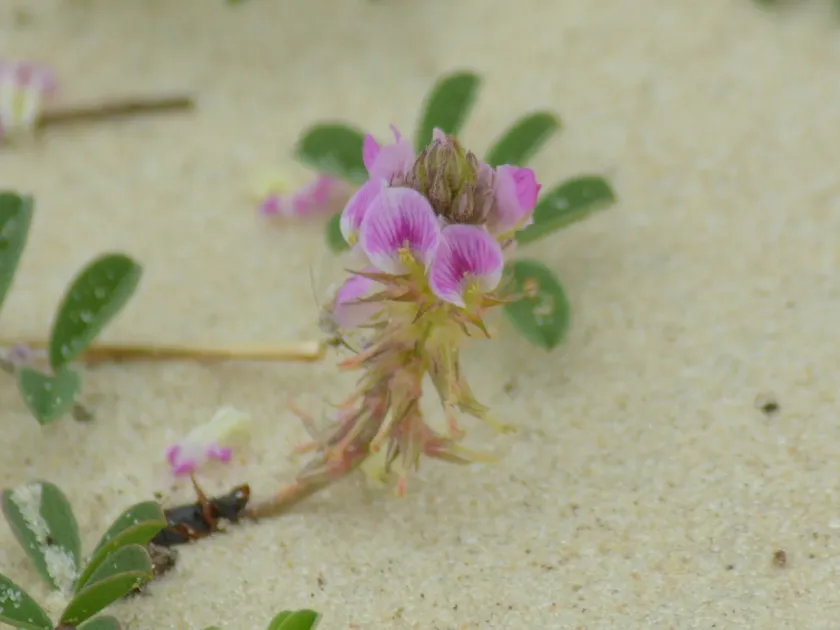
Description
Sowing dates
Indigofera microcarpa is a perennial shrub belonging to the Fabaceae family, recognized for its role in sustainable land use and soil improvement.
The sowing season is strictly dictated by the arrival of warm weather, as the seeds require soil temperatures consistently above 20 degrees Celsius to germinate.
Seed preparation often involves scarification to overcome physical dormancy, which significantly enhances the rate and uniformity of plant emergence.
Standard agronomic practice involves row planting with spacing that allows adequate airflow, reducing the risk of fungal infections during the early stages.
Depth of planting is essential for this species, with an ideal range of 2 to 3 centimeters to ensure the young seedlings have sufficient energy to emerge.
Growing requirements
This crop thrives in full sunlight conditions and should be cultivated in areas that receive high levels of solar radiation throughout the growing season.
The soil must have excellent drainage, as the species is highly susceptible to root diseases caused by waterlogging and poor soil aeration.
In terms of nutrition, the plant excels in nitrogen-poor soils due to its ability to fix atmospheric nitrogen via symbiotic relationships with specialized bacteria.
The plant is naturally adapted to tropical and subtropical climates, showing impressive resilience against intermittent dry spells once fully established.
Maintaining a slightly acidic to neutral soil pH is beneficial for maximizing the efficiency of the nitrogen-fixation process within the root nodules.
Yield
The yield of Indigofera microcarpa is primarily assessed by the accumulation of biomass, which serves as high-quality green manure in agricultural systems.
Optimal management practices, including proper plant density and weed control, are essential to achieve maximum harvestable matter per hectare.
Yield stability is generally maintained through the plant's inherent hardiness, provided that nutrient imbalances and waterlogging are strictly controlled.
Harvesting for biomass should occur before the plant reaches full lignification to ensure the highest concentration of nitrogen within the plant tissues.
Successive cuttings can be performed throughout the season, allowing for multiple harvests if the environmental conditions remain favorable for regrowth.
Main diseases and pests
Disease pressure often increases during prolonged rainy seasons, necessitating careful monitoring of leaf health to prevent severe outbreaks of blight.
Pest management focuses on identifying and controlling specific beetle populations that target the foliage during the peak of vegetative growth.
Root rot pathogens are a persistent threat, primarily managed through rigorous site selection that emphasizes well-drained soil and optimal aeration.
Integrated pest management strategies are recommended to maintain the ecological balance of the soil while effectively protecting the shrub from herbivorous insects.
Regular sanitation of the field, including the removal of infected debris, is a critical step in reducing the inoculum pressure for subsequent seasons.