
Indigofera leprieurii
Indigofera leprieurii
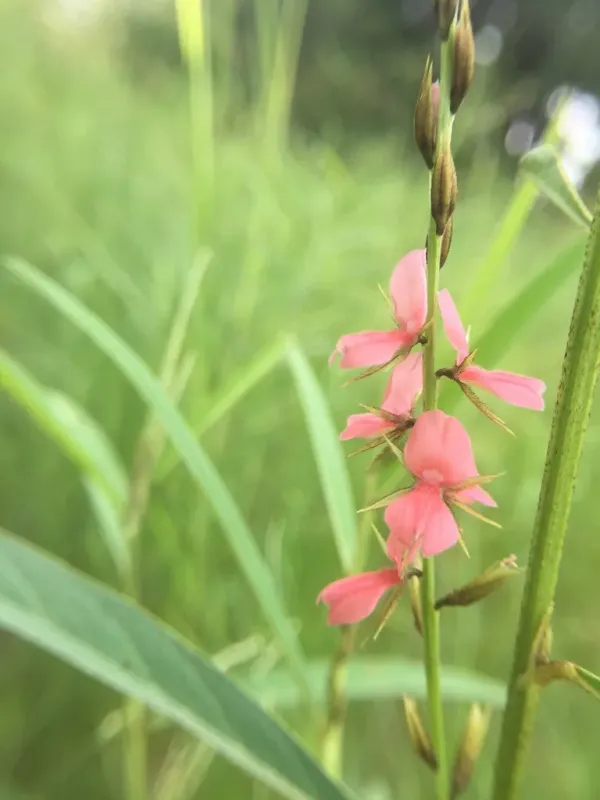
Description
Sowing dates
Indigofera leprieurii is a leguminous plant belonging to the Fabaceae family. Successful cultivation begins with precise timing, typically at the start of the rainy season when soil moisture is optimal for germination.
Seed preparation is a critical step; scarification is often recommended to overcome the physical dormancy of the seeds. This process ensures more uniform emergence across the field, which is essential for uniform crop development.
The seeding rate should be adjusted based on whether the crop is grown for green manure, forage, or seed production. Standard row spacing generally provides enough room for weed management while maintaining sufficient plant density.
Soil contact is vital for the germination of these seeds. After sowing, light rolling of the soil surface ensures that seeds are in direct contact with the moisture-retaining layer, accelerating the emergence of seedlings.
During the initial growth stages, the seedlings grow slowly. Farmers should focus on keeping the field weed-free during the first few weeks to ensure the young plants are not suppressed by aggressive invasive species.
Growing requirements
As a plant native to tropical regions, Indigofera leprieurii thrives in warm climates. It requires consistent exposure to sunlight and temperatures ranging from 25°C to 32°C for optimal photosynthetic activity.
The crop is highly adapted to well-drained, sandy or loamy soils. It has a significant ability to grow in nutrient-poor environments due to its symbiotic relationship with nitrogen-fixing bacteria located in root nodules.
While it is drought-tolerant, it performs best when provided with moderate, evenly distributed rainfall. Prolonged periods of severe water stress may stunt growth, although the deep taproot allows it to survive extreme heat.
Soil pH levels should ideally be maintained in the slightly acidic to neutral range. Very alkaline or waterlogged soils are detrimental to the plant and should be avoided or modified before planting.
Proper field drainage is essential. Indigofera leprieurii is sensitive to waterlogging, which can cause oxygen deprivation in the root zone and eventually lead to root rot and complete plant collapse.
Main diseases and pests
Fungal diseases are the primary threat, especially in humid conditions. Leaf spot and powdery mildew are common occurrences that can significantly reduce the nutritional quality of the forage.
Insect pests, such as aphids and various larvae, often target the tender shoots and leaves. Monitoring the infestation levels early is crucial for preventing widespread damage to the vegetative mass.
Cultural control measures, including crop rotation and field sanitation, remain the most effective strategies. Rotating with non-leguminous species helps break the life cycle of soil-borne pathogens.
In cases of severe infestation, biological controls are preferred over broad-spectrum pesticides to maintain the ecological balance and the safety of the forage for livestock consumption.
Maintaining a healthy, vigorous crop through proper fertilization and irrigation management is the best defense against pests. Well-nourished plants are generally more resilient to incidental pest attacks.
Harvesting
The harvest strategy depends on the intended use of the crop. For green forage, harvesting occurs before the flowering stage to maximize crude protein content and digestibility for livestock.
When the goal is to produce seeds, the crop must remain in the field until pods have matured and changed color. Harvesting is usually done manually or with specialized machinery to prevent shattering.
The optimal time for forage cutting is during the late morning, after the dew has evaporated. This practice reduces the risk of spoilage during the drying process if the material is meant to be stored.
After the harvest, proper drying is required if the material is to be preserved as hay. Reducing moisture levels to below 15 percent prevents mold development and ensures safe long-term storage.
Following the harvest, field residues are often incorporated back into the soil. This practice helps return organic matter and fixed nitrogen, improving the overall soil structure for subsequent plantings.