
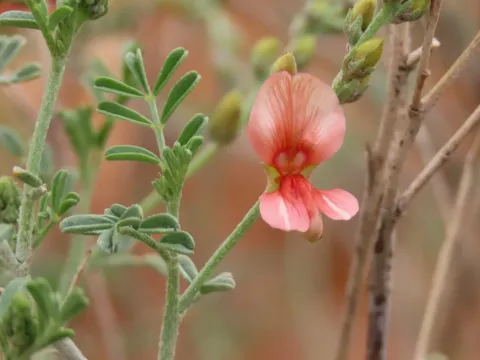
Indigofera heterotricha
Indigofera heterotricha
Indigofera heterotricha is a perennial legume that requires specific thermal conditions for optimal germination. The best time for sowing is during the spring, once the soil temperature is consistently above 15 degrees Celsius.
What the section contains
Indigofera heterotricha
Scarification of the seeds is highly recommended before sowing to ensure uniform germination, as the seeds often possess a hard coat. Sowing depth should be shallow, generally between 1 and 2 centimeters.
In tropical climates, planting is most successful at the onset of the rainy season. This timing ensures that young plants receive adequate moisture to establish deep roots before the dry season arrives.
Initial weed control is essential because the crop grows slowly during the first few weeks after emergence. A clean seedbed is required to prevent early competition from faster-growing weeds.
Spacing should be determined by the intended use of the crop, with tighter row spacing often utilized for pasture establishment or ground cover purposes.
As a member of the Fabaceae family, Indigofera heterotricha is highly valued for its nitrogen-fixing capabilities. It performs well in various soil types, particularly in sandy or loamy soils that offer excellent drainage.
The plant is noted for its high drought tolerance, which is facilitated by a robust taproot system. This makes it an ideal candidate for cultivation in regions with irregular rainfall patterns.
Full sun exposure is required for the plant to achieve its maximum biomass production. Shading significantly reduces photosynthesis, leading to stunted growth and lower yield outcomes for the crop.
The species prefers warm to tropical climates and is sensitive to frost. Protection from extreme cold is necessary during the early stages of development to avoid plant mortality.
Management practices should prioritize soil aeration. Excessive nitrogen fertilization is generally unnecessary and can sometimes inhibit the development of nitrogen-fixing nodules on the roots.
The primary threats to Indigofera heterotricha include fungal pathogens, such as root rot and leaf spots, which are typically triggered by poor drainage or excessive soil moisture.
Insect pests, including various aphids and weevils, can cause damage by feeding on foliage or reproductive structures. Regular monitoring of the field is crucial for early detection and management.
Cultural control methods, such as proper crop rotation and maintaining adequate spacing, help to minimize the incidence of disease. Avoiding the over-application of water prevents the development of conditions favoring pathogens.
Integrated pest management strategies are advised, focusing on biological solutions whenever possible. Chemical intervention should be reserved for cases where economic thresholds are exceeded.
Selecting healthy, disease-free seeds and maintaining soil fertility levels contribute significantly to the overall resilience of the crop against pests and environmental stressors.