
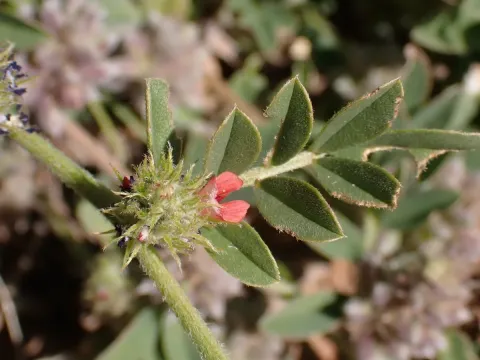
Indigofera linnaei
Indigofera linnaei
Indigofera linnaei is a perennial herbaceous plant belonging to the Fabaceae family, primarily native to hot and semi-arid regions. In its natural habitat, germination is triggered by the onset of seasonal rains, which provide the essential moisture required for successful establishment.
What the section contains
Indigofera linnaei
For agricultural purposes, sowing should take place in well-warmed soil once the risk of frost has completely passed. The seeds are typically planted at a depth of 1 to 2 centimeters to ensure optimal contact with the soil while preventing desiccation during the initial germination phase.
Scarification of the seeds is highly recommended before planting to break the hard seed coat, which significantly increases germination rates and uniformity. This preparatory step is vital for maximizing the energy and speed of seedling growth in shorter growing seasons.
Sowing is commonly performed in rows with spacings ranging from 30 to 50 centimeters. This arrangement helps prevent overcrowding and reduces competition among plants, ensuring that each individual has adequate access to nutrients and sunlight during its development.
Proper adherence to sowing schedules is critical for establishing a robust root system before the peak heat of the summer season. Early establishment allows the plants to better utilize deep-seated soil moisture during periods of intense drought.
This crop is highly prized for its exceptional drought tolerance, making it an excellent choice for regions with limited rainfall. Indigofera linnaei thrives in open areas with full sun exposure, as any significant shading will negatively affect its photosynthetic capacity and overall biomass production.
The plant is undemanding regarding soil fertility and can successfully adapt to sandy or sandy-loam soils. Through its symbiotic relationship with nitrogen-fixing bacteria, it improves soil quality and nitrogen levels, making it a beneficial component of sustainable farming systems.
The optimal pH range for this crop is from neutral to slightly alkaline. It is essential to choose well-drained locations, as the plant is intolerant to waterlogging and poor soil aeration, which can rapidly lead to root rot and other physiological stressors.
Temperature requirements for active growth range between 25 and 35 degrees Celsius. While it is well-adapted to extreme heat, providing a moderate level of surface cover can help regulate soil temperature and conserve moisture, promoting more consistent plant health.
While nitrogen fixation is a natural trait of this legume, providing basic levels of phosphorus and potassium can significantly enhance overall yields. Supplementing these minerals during the early stages supports leaf development and improves the nutritional value of the foliage.
The yield of Indigofera linnaei is heavily dependent on the frequency and intensity of rainfall during the growing season. In favorable conditions, the plant produces a dense canopy of foliage, allowing for multiple cuttings throughout the year.
Maximum nutritional value, particularly crude protein content, is achieved during the flowering phase. Harvesting during this specific window ensures that the resulting forage provides the highest quality feed for livestock, making it a valuable addition to animal diets.
Seed production is sufficient for self-replenishment, but careful harvesting is necessary to prevent excessive losses due to natural seed shattering. Proper timing is required to collect the pods before they dry out completely on the stem.
As a pasture-based crop, the plant displays remarkable regrowth capability after grazing. This durability allows farmers to utilize the same fields for several consecutive years without the need for constant reseeding, contributing to lower operational costs.
Integrated agricultural use, where the crop acts both as a soil improver and a high-protein fodder source, maximizes the economic efficiency of the farm. This dual benefit makes it a strategically important plant for arid-zone agriculture.
Indigofera linnaei can be susceptible to various fungal pathogens that thrive in humid environments. Root rot remains the most significant threat, often exacerbated by poor drainage and excessive moisture levels within the soil profile.
The foliage may be subject to powdery mildew and different types of leaf spots if air circulation is inadequate or if the canopy remains damp for extended periods. Regular monitoring and thinning of overcrowded areas are essential preventative measures.
Insect pests, including aphids and various weevils, pose a risk to the crop by damaging stems, leaves, and reproductive tissues. In severe cases, pest pressure can significantly reduce both green biomass production and the overall seed yield.
Root-knot nematodes can also affect the plant's health, particularly in sandy soils, by inhibiting the root system's ability to absorb water and nutrients. Crop rotation is the most effective management strategy to minimize the long-term impact of soil-borne pests.
Maintaining high sanitary standards by controlling weeds around the perimeter is crucial, as many wild plants act as alternate hosts for the diseases and pests that affect Indigofera. Proactive field management is the key to maintaining crop longevity.
Harvesting for forage should be timed at the onset of the flowering stage to capture peak nutrient levels. Using specialized equipment, the crop should be mowed at a height that preserves the basal buds, enabling the plant to regenerate successfully after harvest.
The harvested material should be allowed to wilt in the field to reduce its moisture content, which is a necessary step for preventing spoilage. Fast drying in direct sunlight preserves the most critical vitamins and protein content of the forage.
When harvesting seeds, the pods should be collected once they turn brown but before they begin to crack open. Modern machinery can be adjusted to minimize mechanical damage to the seeds, ensuring higher viability for future planting cycles.
Post-harvest cleaning involves removing debris and storing the seed in cool, dry conditions to maintain its viability for upcoming seasons. Proper storage is essential to prevent moisture buildup and mold growth, which can destroy the germination potential.
Pelleting the forage provides a convenient and shelf-stable method of storing large quantities of feed. This process not only facilitates transport but also improves the efficiency of feeding programs in large-scale livestock operations.