
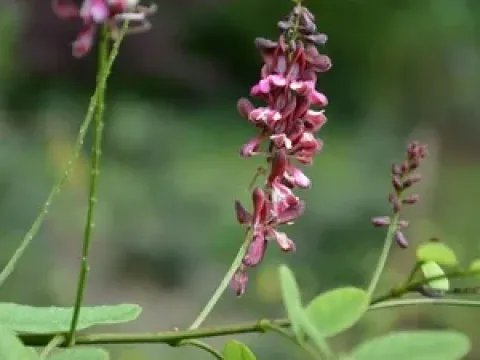
Indigofera hebepetala
Indigofera hebepetala
Indigofera hebepetala is a perennial shrub belonging to the Fabaceae family. This species is valued in agriculture primarily for its nitrogen-fixing capabilities, which help enhance soil fertility in sustainable farming systems.
What the section contains
Indigofera hebepetala
Originating from the mountainous regions of Asia, the plant is well-adapted to cooler temperate climates. It typically grows as a woody shrub, producing compound leaves and small, distinct flowers characteristic of its genus.
The crop thrives in well-drained, fertile soils with a slightly acidic to neutral pH level. It does not tolerate waterlogged conditions, making proper soil preparation and drainage systems essential for healthy crop development.
Climatic requirements involve sufficient solar exposure and moderate rainfall during the growing season. While it is hardy, young plants require consistent care to ensure they establish a deep root system before facing environmental stressors.
In terms of usage, it is often utilized as a soil-improving agent or a cover crop. Its ability to add organic matter and nitrogen to the soil makes it a beneficial component for crop rotation practices in various regions.
Like many legumes, this species is susceptible to fungal diseases such as rust and leaf spot, especially in areas with high humidity. Proper crop spacing is vital to ensure adequate air circulation and reduce disease pressure.
Pests such as aphids and leaf-eating beetles can cause damage to the foliage, especially during the early growth stages. Integrated pest management strategies are recommended to keep populations below economic injury levels.
Root rot remains a major threat if soil drainage is compromised. To prevent this, fields should be monitored for water stagnation, especially after periods of heavy precipitation.
Virus infections transmitted by insect vectors can also impact the yield and overall health of the crop. Regular monitoring for symptoms like mosaic patterns or stunted growth is advisable.
Implementing a rigorous crop rotation plan helps disrupt the lifecycle of soil-borne pathogens, significantly reducing the reliance on chemical control measures throughout the growing season.