
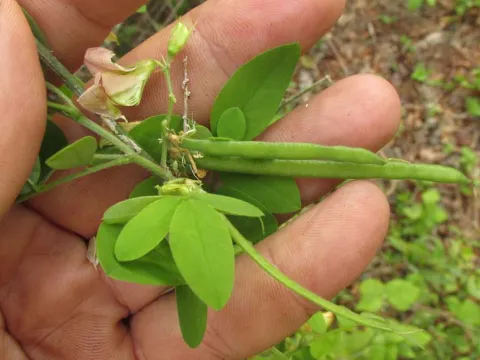
Indigofera guatemalensis
Indigofera guatemalensis
Sowing of Indigofera guatemalensis is typically scheduled to coincide with the onset of the rainy season to ensure optimal moisture levels for germination. The soil temperature must be sufficiently high to support rapid early development.
What the section contains
Indigofera guatemalensis
Seeds are sown in rows, providing adequate spacing to facilitate weeding and plant growth. The depth of planting is generally kept between 2 and 3 centimeters to ensure uniform seedling emergence.
Pre-treatment of seeds, such as scarification, is highly recommended to overcome the physical dormancy of the seed coat. This practice leads to a more consistent and synchronized plant stand.
Timing is crucial; the plant requires the period of peak solar radiation for its vegetative growth phase. This ensures the maximum accumulation of photosynthetic products necessary for dye synthesis.
The planting density varies according to the specific goal: higher density is utilized for biomass production, whereas lower density is preferred for seed multiplication programs.
As a member of the Fabaceae family, Indigofera guatemalensis thrives in tropical and subtropical environments. It is highly sensitive to frost and requires stable, warm temperatures throughout its growing season.
The crop prefers well-drained loamy or sandy soils with a neutral pH. It is particularly susceptible to waterlogging, which can cause root system collapse and severe plant stress or death.
Full sun exposure is a fundamental requirement for this species. Intense light availability directly correlates with the concentration of indoxyl compounds in the leaves, which determines the final dye quality.
The plant possesses the biological advantage of nitrogen fixation via symbiotic root bacteria. This self-sufficiency reduces the reliance on external nitrogen inputs during the intensive growth stages.
While established plants show some tolerance to dry spells, consistent soil moisture is vital during the early vegetative stages to ensure robust leaf production for harvest.
Like many leguminous plants, Indigofera guatemalensis can be susceptible to various root rot pathogens if the soil drainage is inadequate. Managing water levels is the primary defense against these threats.
Leaf-eating insects are among the most common pests, as the nitrogen-rich foliage is attractive to various caterpillars and beetles. Monitoring should be done during the early leaf-development stage.
Fungal leaf spots can occur in humid and poorly ventilated conditions, leading to premature defoliation and a reduction in the overall yield of usable plant material.
Nematode infestations can pose a significant threat in intensive cultivation systems, potentially affecting root development and nutrient uptake capacity over multiple seasons.
Integrated pest management (IPM) practices, including proper crop rotation and the selection of disease-resistant varieties, are recommended to maintain plant health without heavy reliance on chemicals.
Harvesting is focused on the leaf material, which is collected just before the plant enters its flowering stage. This is the period when the indoxyl content is at its absolute peak.
The stems are cut at a specific height above the ground to allow for regrowth. This perennial-like management enables farmers to secure multiple harvests within a single growing cycle.
Post-harvest handling is time-sensitive; the leaves must be transported and processed quickly to prevent uncontrolled oxidation. The fermentation process requires large vats for liquid extraction.
For seed production, selected portions of the crop are left to reach full maturity. The pods turn dark and dry, signaling that the seeds are ready for collection and further processing.
Storage of harvested seeds requires cool, dry conditions to maintain viability. Cleaning the seed lot thoroughly removes debris, which could otherwise foster fungal growth during long-term storage.