
Indigofera glandulosa
Indigofera glandulosa
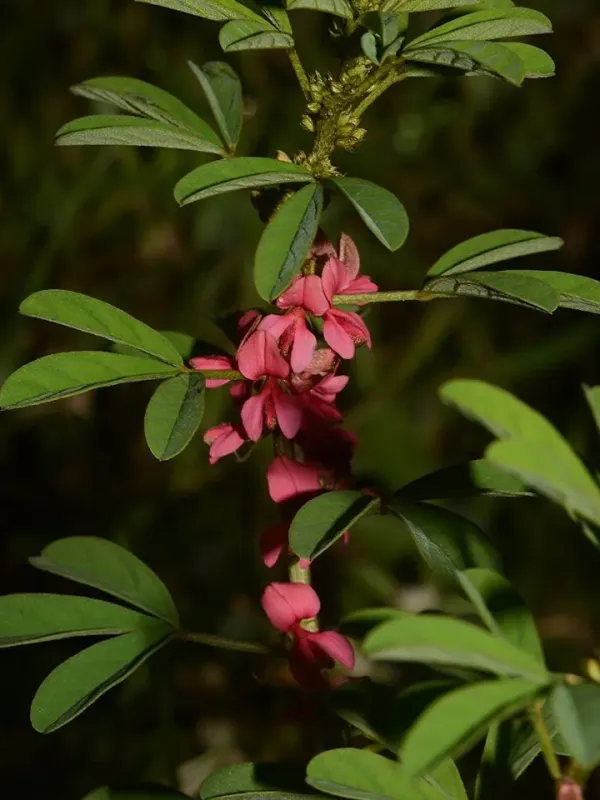
Description
Sowing dates
Indigofera glandulosa is a heat-loving plant, requiring warm soil temperatures to initiate successful germination and early stage development.
Sowing typically coincides with the onset of the rainy season, which provides the critical moisture balance necessary for the seeds to establish roots.
Due to the hard seed coat, scarification is a highly recommended practice to ensure rapid and uniform emergence in the field.
Seeding rates are adjusted based on the intended use, with higher densities preferred for forage production and lower densities for seed multiplication.
Seed depth is generally kept shallow, around 2 to 3 centimeters, ensuring the seedlings can emerge effectively while maintaining contact with moist soil.
Growing requirements
As a member of the Fabaceae family, this crop is known for its remarkable ability to thrive in poor soils where other plants struggle.
The plant demands full sunlight exposure to maintain high photosynthetic activity; shade significantly hampers its overall biomass production.
It prefers well-drained soil environments and is particularly valued for its deep taproot system, which grants it excellent drought tolerance.
Soil pH levels ranging from slightly acidic to neutral are considered optimal for supporting symbiotic nitrogen-fixing bacteria.
While tolerant of various soil types, the crop performs best in well-aerated soils where water logging does not interfere with root health.
Yield
The biomass yield of Indigofera glandulosa is highly dependent on effective crop management and the distribution of seasonal rainfall.
When managed properly, the crop displays vigorous regrowth, allowing for multiple harvests within a single growing season.
The nutritional value of the foliage is high, particularly in terms of crude protein, making it an excellent candidate for animal fodder.
Seed yields can be significant if the plants receive adequate nutrition and are kept free from weed competition during the critical flowering stage.
As a green manure crop, it contributes substantial amounts of nitrogen to the soil, significantly boosting the fertility profile for subsequent plantings.
Main diseases and pests
This species generally exhibits robust health; however, excessive humidity can occasionally lead to fungal infections affecting the foliage.
Key insect pests include leaf-feeding beetles and aphids, which, if left uncontrolled, can reduce the leaf surface area and plant vigor.
Root rot diseases are potential risks primarily in sites where drainage is poor, leading to prolonged saturation of the rhizosphere.
Integrated pest management strategies are recommended, focusing on crop rotation and maintaining soil health to prevent significant outbreaks.
Monitoring the fields regularly during the early growth stages is essential to detect pest activity before it reaches economic injury levels.
Harvesting
Harvesting for fodder should occur during the early flowering or late budding stage to optimize the nutrient profile of the harvested biomass.
For seed production, harvesting must be delayed until the pods are fully mature to ensure maximum viability and vigor of the harvested seeds.
Mechanical harvesting is efficient, provided that the cutters are set to an appropriate height to avoid damaging the crown of the plants.
Proper drying and storage are critical post-harvest steps to maintain quality and prevent mold development in the forage or stored seeds.
Systematic harvesting helps maintain the plant in a vegetative state for longer periods, maximizing the total seasonal yield of green matter.